Overview#
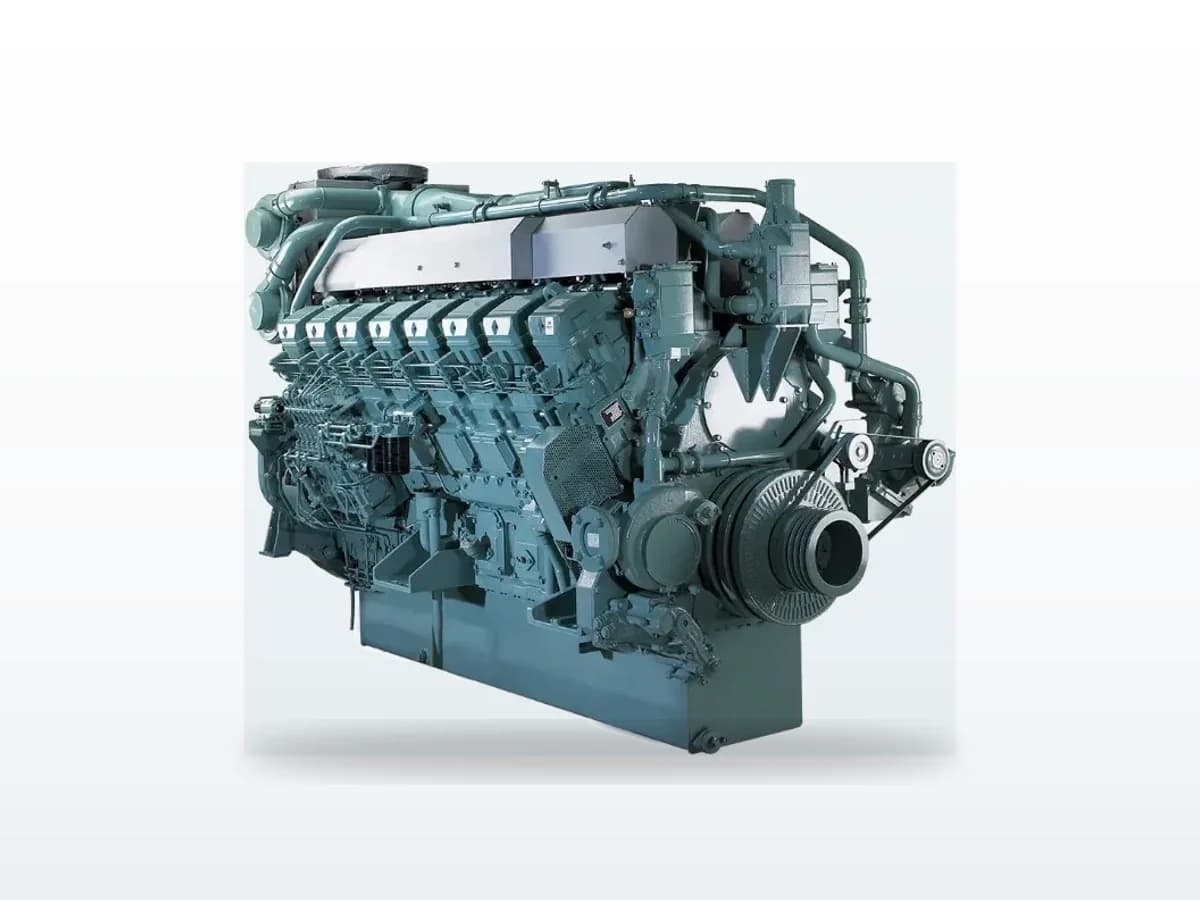
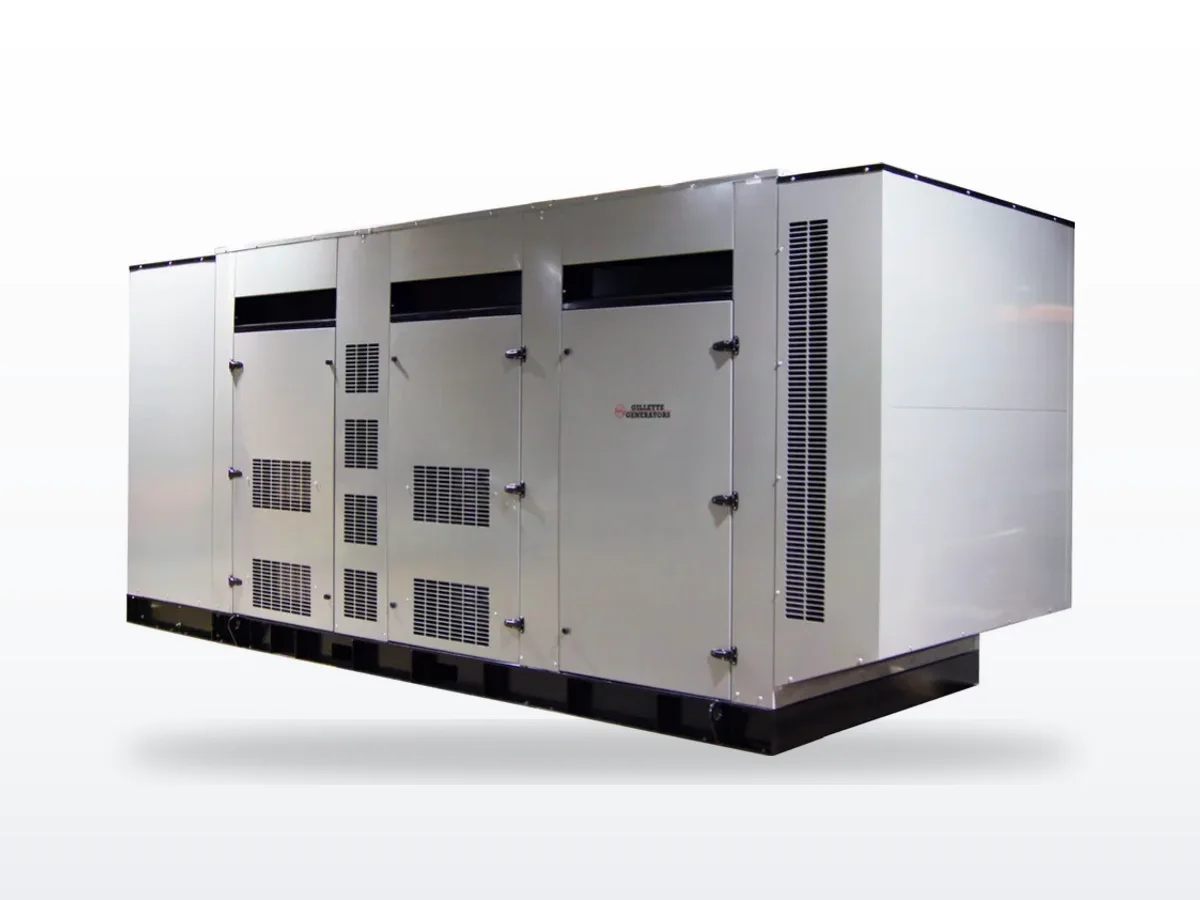
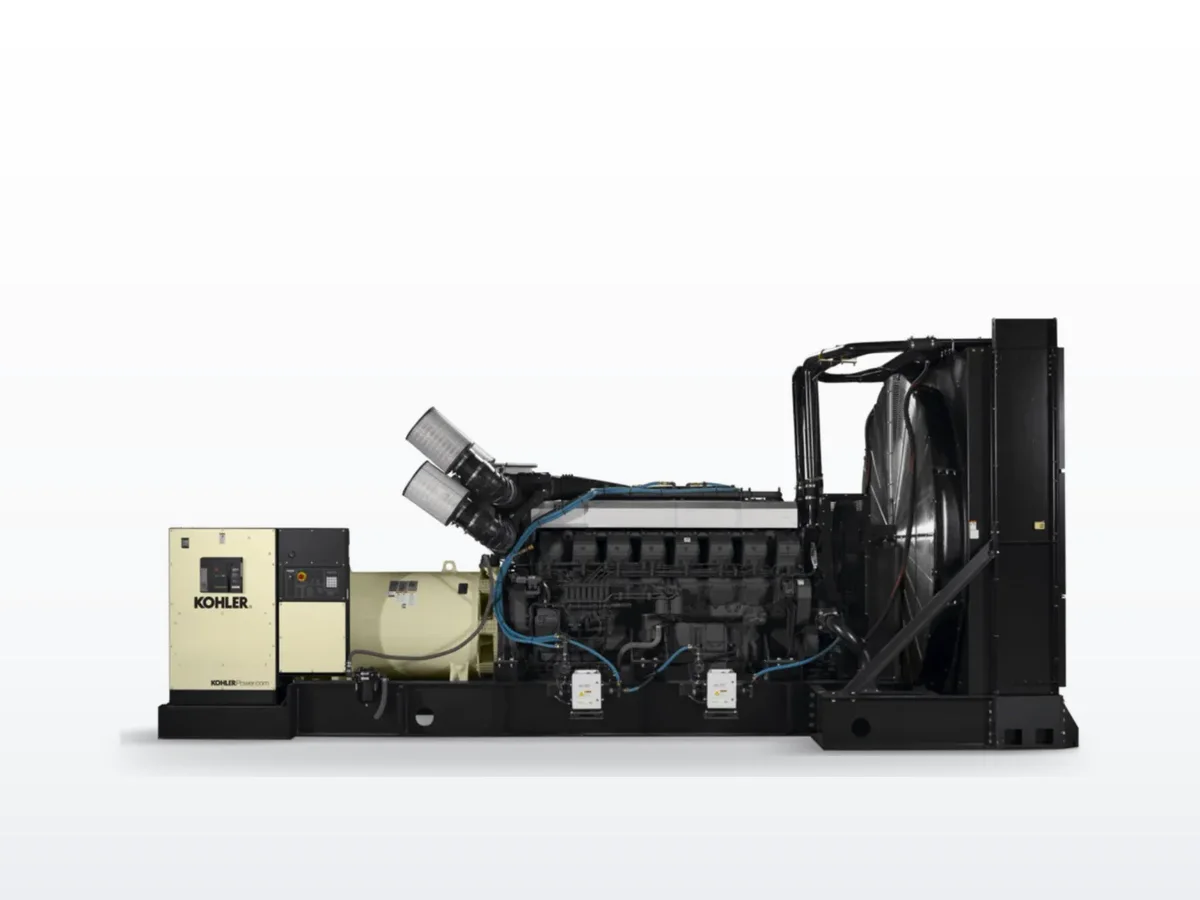
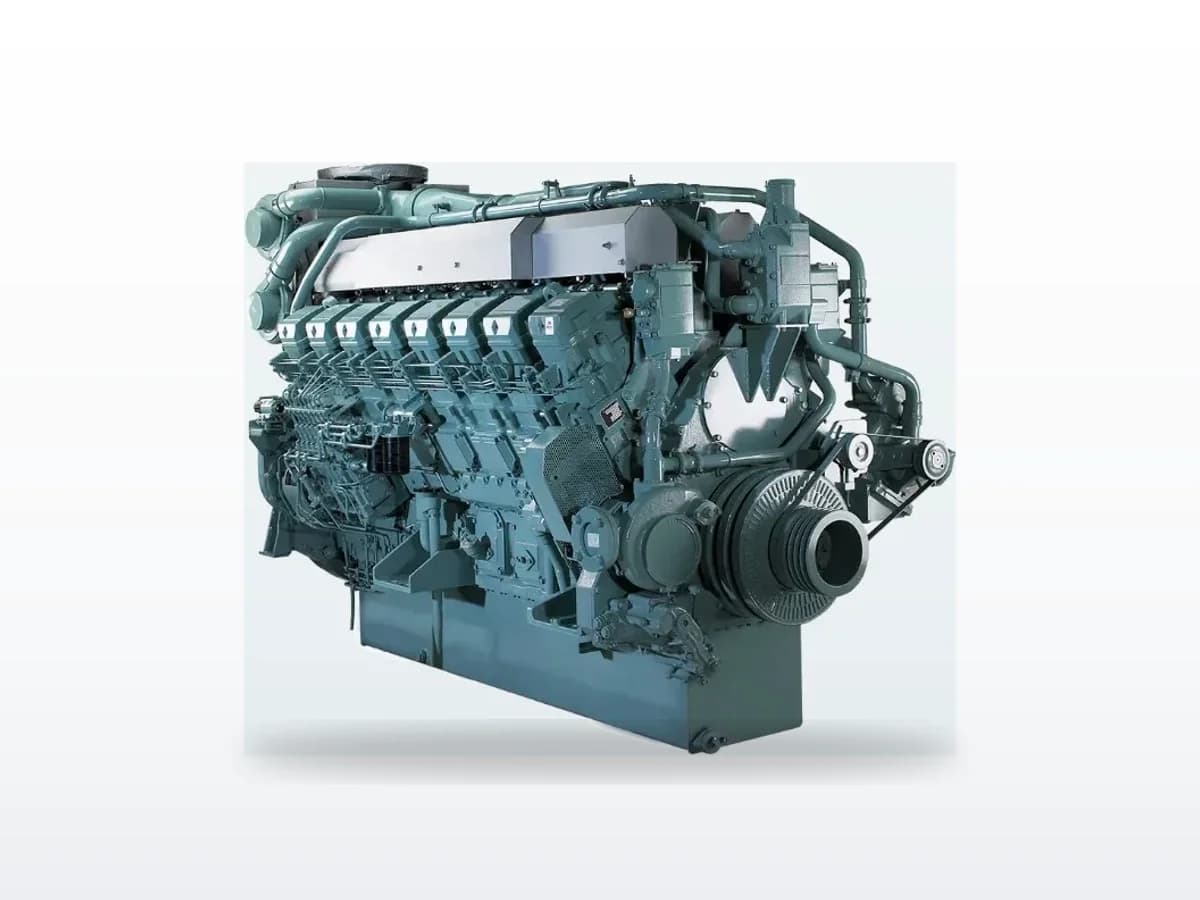
The Gillette SPMI-2M is a 2,000-kilowatt (2 MW) stationary diesel standby generator — Gillette's largest unit across all fuel types. It uses the Mitsubishi S16R V16 at the same 65.37L displacement as the SPMI-1.5M but in a high-output calibration producing 2,923 bhp. Stamford AVK S7L1DG alternator with PMG excitation, DSE 7420 MKII with UL 6200.
At 2 MW, this is the upper boundary of single-engine standby generators: large data centers, major hospital complexes, and industrial facilities where a single generator provides building-wide backup or serves as a paralleling module.
SPMI-1.5M vs. SPMI-2M: same engine, 500 kW more#
| Spec | SPMI-1.5M | SPMI-2M |
|---|---|---|
| Engine | S16R-Y2PTAW-1 | S16R-Y2PTAW2-1 |
| Compression ratio | 14.5:1 | 14.0:1 |
| Standby kW | 1,500 | 2,000 |
| Standby bhp | 2,346 | 2,923 |
| Fuel (100%) | 127 gal/hr | 155 gal/hr |
| Open weight | 34,450 lbs | 37,725 lbs |
| Dimensions | 240 × 102 × 135 in | 240 × 102 × 135 in |
Same footprint, same engine block, 33% more output through lower compression and higher boost. For data centers specifying N+1 paralleled generator systems, the SPMI-2M provides the maximum single-unit capacity, reducing the total number of units required.
2 MW installation — facility-class infrastructure#
At 37,725 lbs (18.9 tons), the SPMI-2M requires:
- Purpose-built generator room — no enclosure option at this scale; acoustic treatment is part of the building design
- Heavy crane access — 25-30 ton crane for placement, engineered rigging plan
- Large fuel storage — 155 gal/hr means 10,000+ gallon tanks for 48+ hour autonomy
- Medium-voltage distribution — 480V/600V only; campus systems use step-up transformers
- Dedicated exhaust system — engineered for the V16's exhaust volume and temperature
Our service experience#
The SPMI-2M is a critical infrastructure asset. We service units at this scale under formal maintenance contracts with defined SLAs: semi-annual full-load testing, quarterly fuel system service, monthly exercising, and 24/7 remote monitoring. Fuel quality management at 155 gal/hr consumption requires professional fuel testing and polishing — this is not a DIY maintenance item. The V16 with 16-cylinder dual injection requires multi-day service windows for comprehensive fuel system maintenance.