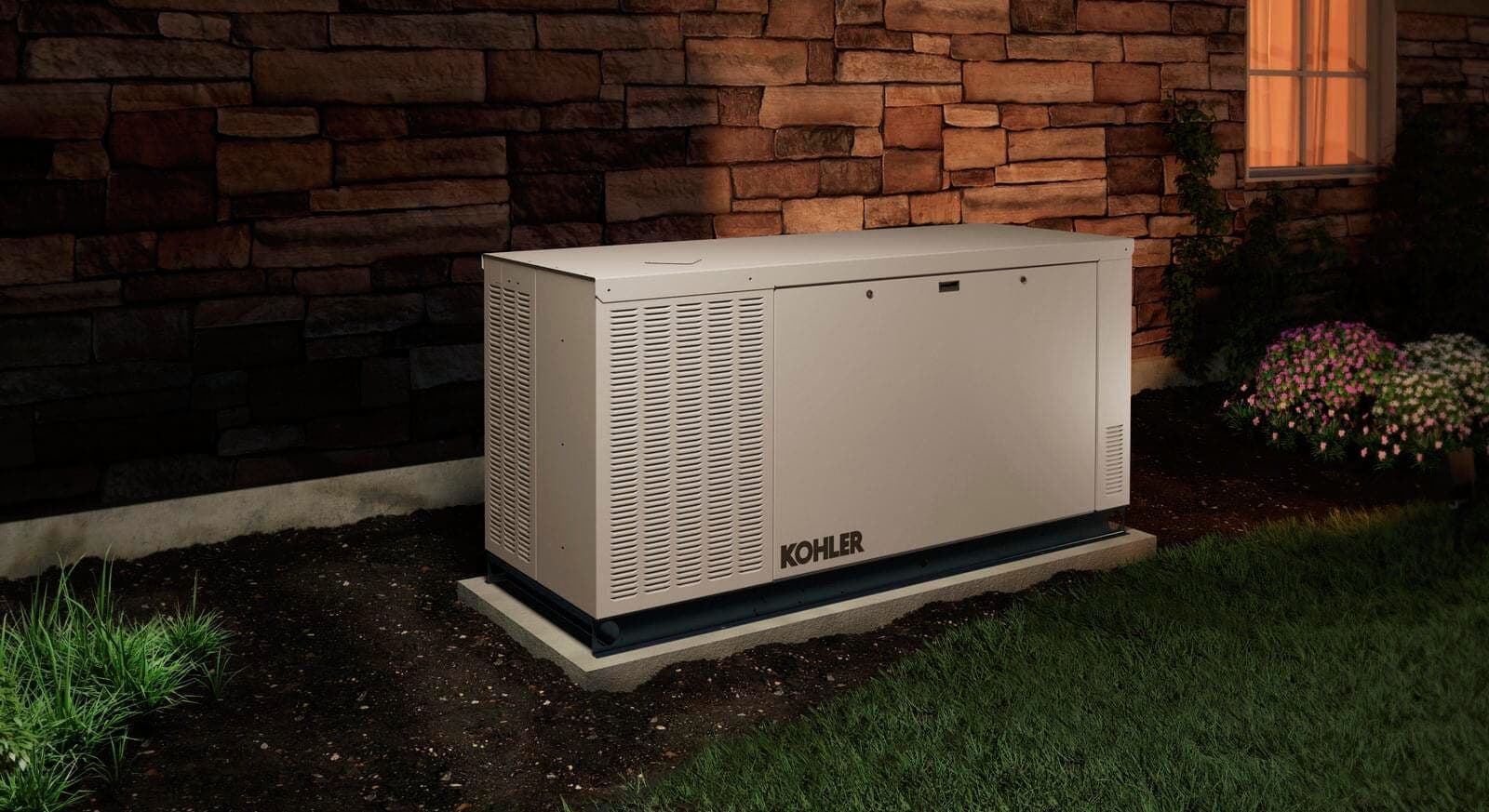
Generator Load Bank Testing
The only way to know if your generator will perform in an emergency is to test it under real load conditions. Our portable load bank testing service verifies your system can deliver its rated power when it matters most.
What Is Load Bank Testing?
Load bank testing is a controlled process that applies an artificial electrical load to a generator to verify it can produce its full rated power output. A load bank is a self-contained, trailer-mounted or portable device that converts the generator’s electrical output into heat, which is then dissipated by fans. This allows technicians to stress-test the generator at 25%, 50%, 75%, and 100% of its rated capacity without connecting it to your building’s electrical system.
Think of it as a treadmill stress test for your generator. Just as a doctor uses a treadmill to evaluate heart performance under exertion, a load bank test evaluates whether your generator can sustain its rated output for an extended period. Running the generator at idle or under light load during weekly exercise cycles does not reveal problems that only appear at full power — overheating, voltage regulation issues, fuel delivery limitations, and exhaust restrictions.
Load bank testing is a critical component of any generator maintenance program and is required for NFPA 110 compliance.
Why Load Bank Testing Is Important
Verify Real-World Performance
Weekly exercise cycles run the generator at little or no load. This tells you the engine starts — but not whether it can sustain full power for hours. Load bank testing confirms your generator can actually handle the electrical demand of your home or facility during an outage.
Prevent Wet Stacking
Diesel generators that consistently run under light loads accumulate unburned fuel, carbon, and soot in the exhaust system — a condition called wet stacking. Over time, this reduces power output, causes exhaust leaks, and can damage turbochargers and exhaust valves. Running the generator at full load during a load bank test burns off these deposits.
Identify Hidden Problems
Problems with voltage regulators, cooling systems, fuel delivery, and exhaust backpressure often only manifest under heavy load. A load bank test stresses every subsystem simultaneously, revealing weaknesses before they cause a real-world failure.
Satisfy Compliance Requirements
NFPA 110 requires annual load testing for emergency and standby power systems serving hospitals, high-rises, data centers, and other critical facilities. Many insurance policies and local fire codes also mandate periodic load testing. Our detailed test reports satisfy inspectors and auditors.
PowerGen’s Load Bank Testing Process
Our technicians follow a systematic, five-step process to ensure thorough and accurate results. Every test is documented with detailed records suitable for compliance audits.
Step 1: Pre-Test Gauge Check
Before applying any load, we inspect the generator’s gauges and control panel. We verify oil pressure, coolant temperature, battery voltage, and fuel level are within normal operating ranges. We also check the automatic transfer switch and confirm that all safety shutdowns are functional. Any pre-existing issues are documented and reported before proceeding.
Step 2: Generator Startup
We start the generator and allow it to reach normal operating temperature — typically five to ten minutes for smaller units and up to fifteen minutes for large diesel generators. During warm-up, we monitor oil pressure, coolant temperature, and voltage output to confirm stable operation before applying load.
Step 3: Load Connection and Ramp-Up
We connect our portable load bank to the generator’s output terminals and begin applying load in incremental steps. We typically start at 25% of rated capacity, then increase to 50%, 75%, and finally 100%. At each step, we allow the generator to stabilize for a minimum of 15 minutes before recording readings and advancing to the next level.
Step 4: Full-Load Monitoring
At 100% rated load, we monitor the generator for a sustained period — typically 30 minutes to two hours depending on the testing protocol. During this phase, we continuously record voltage, amperage, frequency, oil pressure, coolant temperature, and exhaust temperature. We watch for any signs of overheating, voltage droop, frequency instability, or abnormal vibration.
Step 5: Performance Report
After the test, we compile a comprehensive report that includes all readings at each load step, pass/fail criteria, observations about generator performance, and recommendations for any corrective actions. This report is formatted to meet NFPA 110 documentation requirements and is stored in our system for your records.
Who Needs Load Bank Testing?
While load bank testing benefits any generator owner, it is especially critical for the following groups:
Healthcare Facilities
Hospitals, surgery centers, and nursing homes are required by NFPA 110 and the Joint Commission to test emergency generators under load annually. Failure to comply can jeopardize accreditation.
Data Centers
Mission-critical facilities cannot afford generator failures. Load testing verifies that backup systems can sustain full IT loads including cooling, UPS systems, and support infrastructure.
Commercial Buildings
High-rise buildings, shopping centers, and office complexes with life-safety systems — fire pumps, elevators, emergency lighting — must demonstrate that their generators can power these systems.
Industrial Facilities
Manufacturing plants, water treatment facilities, and agricultural operations depend on generators to protect processes and perishable goods during outages.
Government & Municipal
Fire stations, police departments, emergency operations centers, and public utilities all maintain backup power that must be tested and documented for compliance.
Compliance and Regulatory Implications
NFPA 110 — the Standard for Emergency and Standby Power Systems — requires that emergency generators be tested under load annually at a minimum. Section 8.4.2 specifies that generators must be tested at not less than 30% of their nameplate kW rating for a minimum of 30 minutes monthly, with an annual test at the connected load or with a load bank.
The Joint Commission, which accredits healthcare organizations, enforces NFPA 110 requirements and expects documented load test records during facility surveys. California Building Code and local fire departments also reference NFPA 110 for life-safety system compliance.
Failing to maintain proper load test documentation can result in citations, fines, and — for healthcare facilities — loss of accreditation. PowerGen’s test reports are formatted to meet all of these requirements.
Frequently Asked Questions
- How often should load bank testing be performed?
- NFPA 110 requires annual load testing for emergency power systems. Many facility managers choose semi-annual or quarterly testing for additional assurance. For diesel generators that rarely run under significant load, we recommend at least annual load bank testing to prevent wet stacking and verify performance.
- How much does load bank testing cost?
- The cost depends on generator size, location, and testing duration. Residential load bank tests typically range from $500 to $1,000. Commercial and industrial tests range from $1,000 to $3,000+. We provide detailed quotes before scheduling. Maintenance program customers receive discounted load testing rates.
- How long does a load bank test take?
- A complete load bank test typically takes two to four hours, including setup, warm-up, incremental load steps, sustained full-load running, cool-down, and documentation. Larger generators and extended-duration tests may take longer. We coordinate scheduling to minimize disruption to your operations.
- What problems can a load bank test reveal?
- Load bank testing can uncover voltage regulation issues, cooling system inadequacies, fuel delivery restrictions, exhaust backpressure problems, weak batteries, failing alternator windings, governor instability, and overheating under sustained load. Many of these problems are invisible during no-load exercise cycles.
- Will the load bank test affect my building’s power?
- No. The load bank is an external device connected directly to the generator’s output terminals. It does not interact with your building’s electrical system. Your facility continues to receive normal utility power throughout the test. There is no risk of interruption to your operations.
- What regulations require load bank testing?
- NFPA 110 (Emergency and Standby Power Systems), NFPA 99 (Health Care Facilities), the Joint Commission, and California Building Code all reference load testing requirements for emergency generators. Local fire codes and insurance policies may also mandate periodic testing.
- Can you test any size generator?
- Yes. PowerGen carries portable load banks ranging from 100kW to over 2MW capacity. We can test residential generators as small as 7.5kW and commercial units exceeding 2MW. For very large installations, we can parallel multiple load banks to reach the required test capacity.
- Do I receive documentation after the test?
- Absolutely. Every load bank test produces a comprehensive report including test date and duration, load levels applied, voltage, amperage, and frequency readings at each step, oil pressure and coolant temperature logs, pass/fail determination, and recommended corrective actions. These reports are formatted to satisfy NFPA 110 and Joint Commission audit requirements.
Related Services
Generator Maintenance
Comprehensive maintenance programs that include load bank testing as part of regular service.
Learn more →NFPA 110 Compliance
Full compliance services including load testing, documentation, and audit preparation.
Learn more →Buy a Generator
Upgrading? We help you select and install the right generator for your needs.
Learn more →Generators We Load-Bank Test
Generac
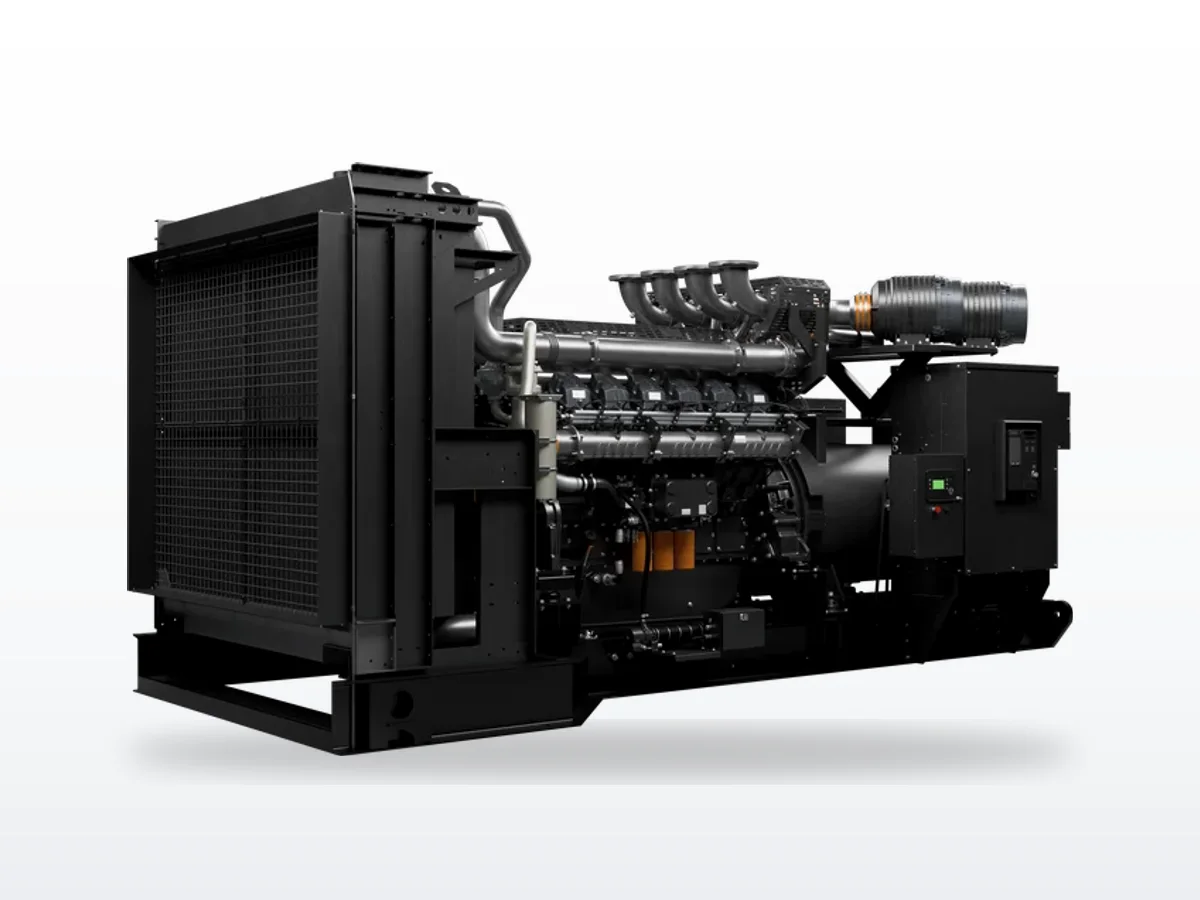
Generac MD1250
1250 kW modular diesel with factory paralleling. N+1 redundancy, easier installation, and scalable power architecture for multi-megawatt systems.
1.3 MW standby · Diesel · Liquid-cooled
1250 kW modular diesel standby generator system. Factory-paralleled configuration with Mitsubishi 49.0L V12 engine for N+1 redundancy.
Generac
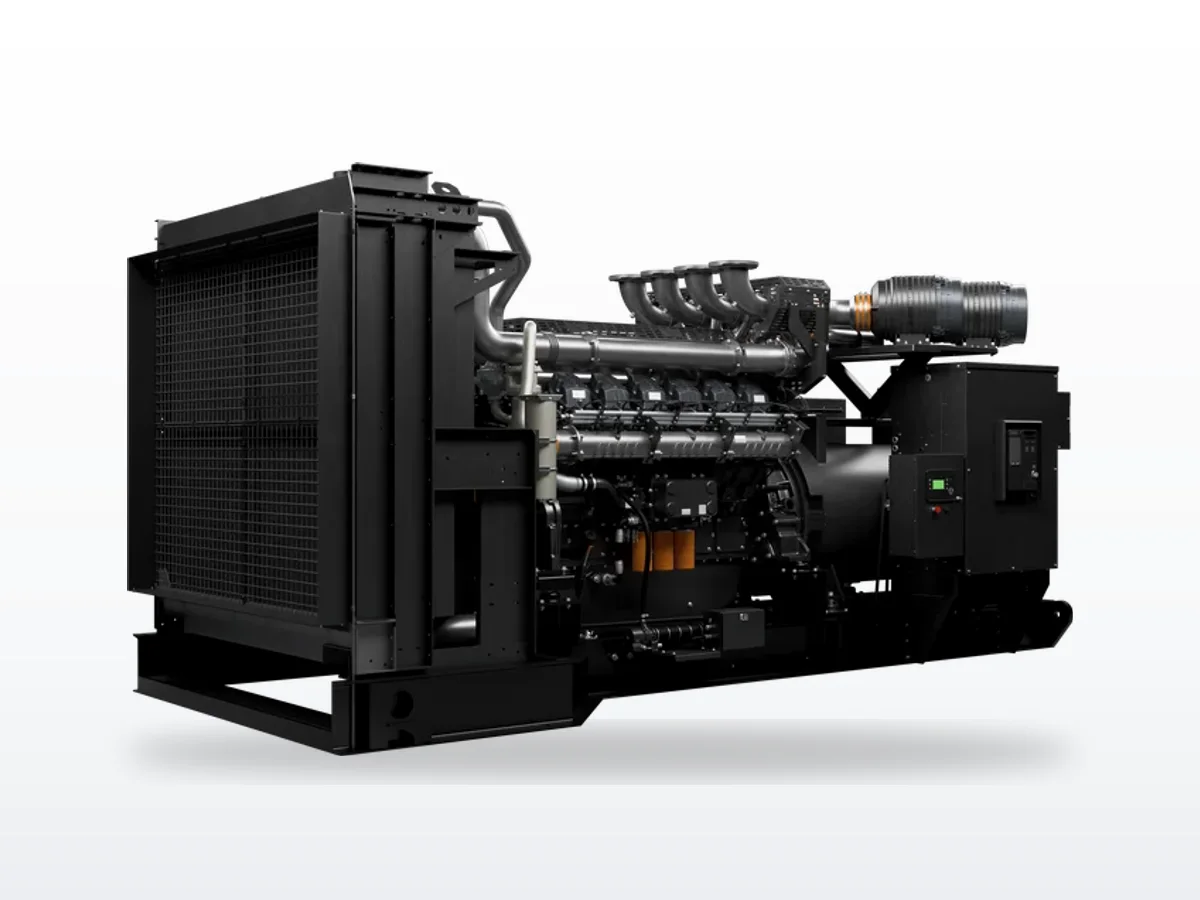
Generac MD1500
1500 kW modular diesel with factory paralleling. N+1 redundancy, easier installation, and scalable power architecture for multi-megawatt systems.
1.5 MW standby · Diesel · Liquid-cooled
1500 kW modular diesel standby generator system. Factory-paralleled configuration with Mitsubishi 65.4L V16 engine for N+1 redundancy.
Kohler
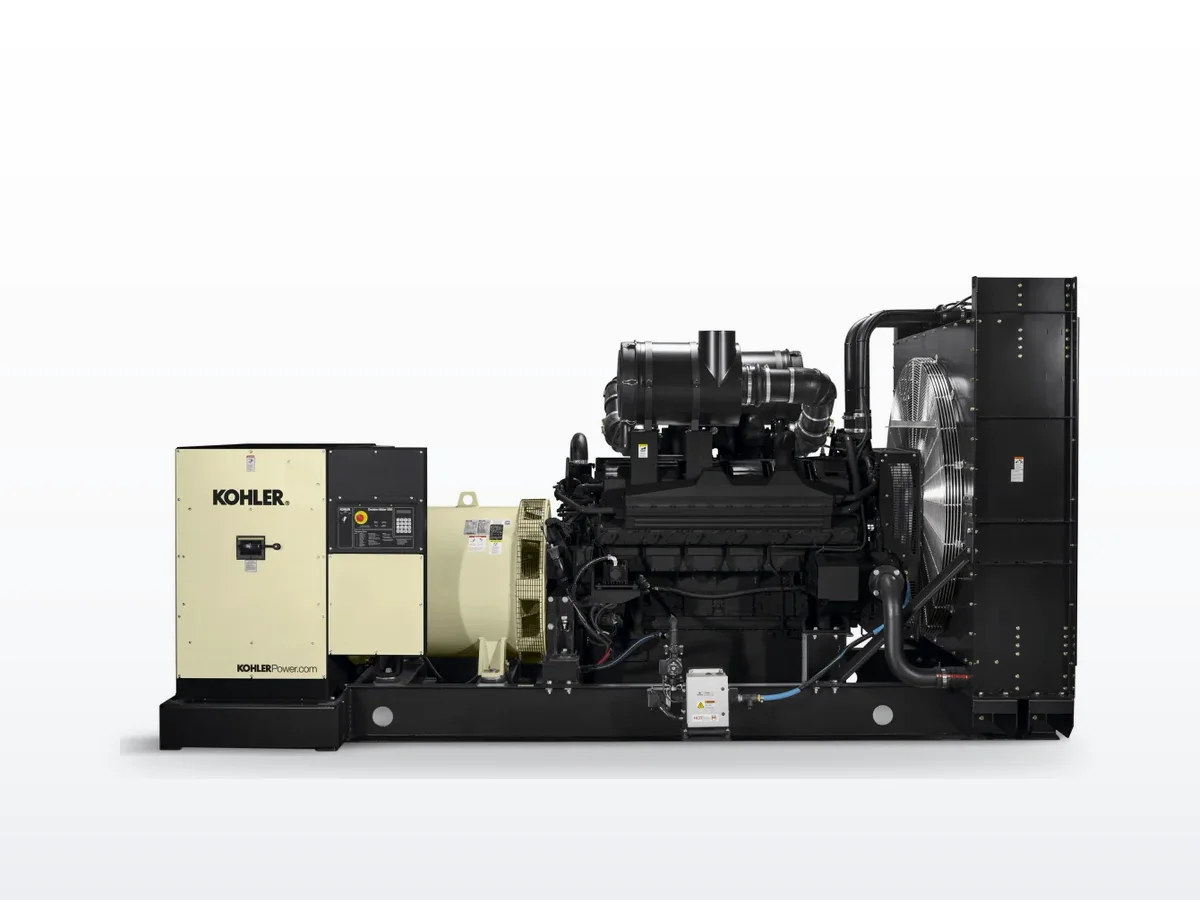
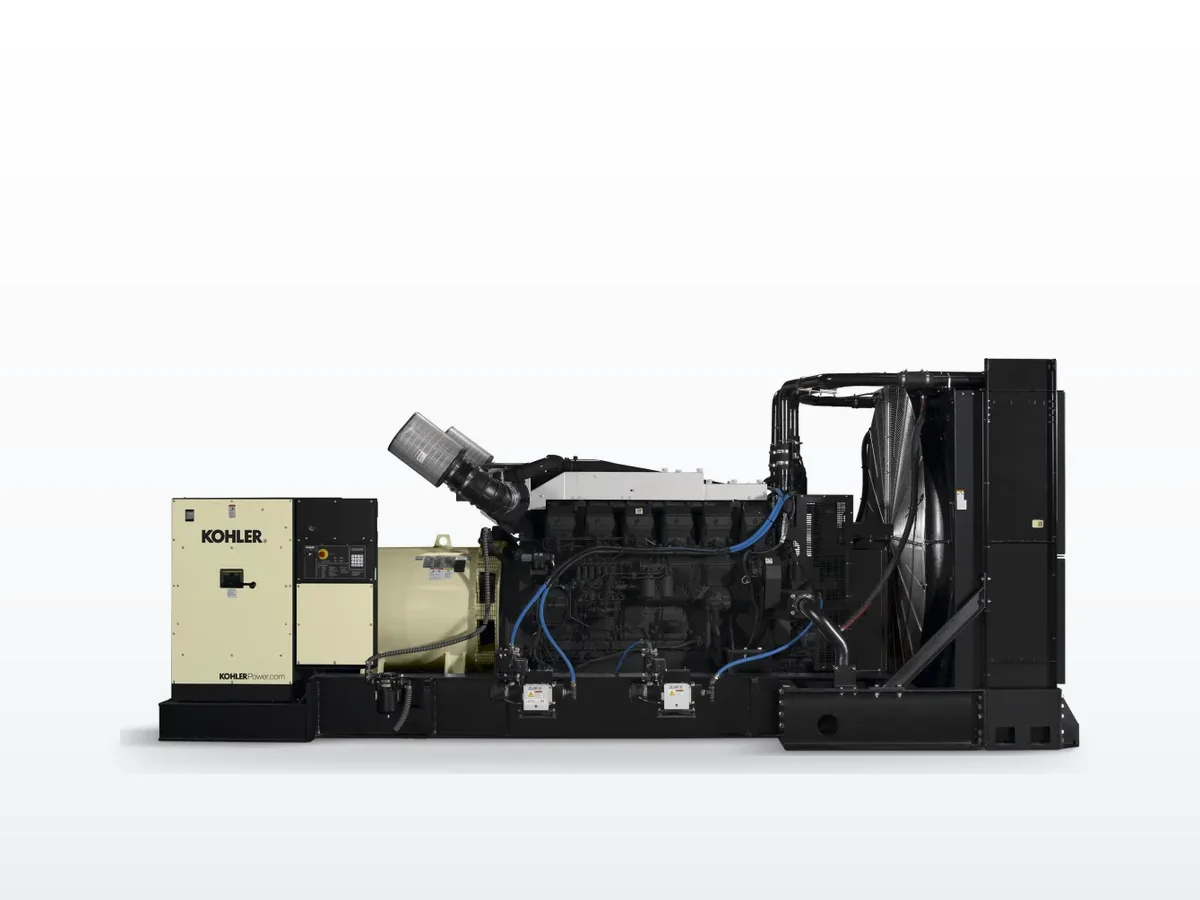
Kohler 1000REOZMD
1020 kW diesel standby -- Mitsubishi S12H-Y2PTAW-1, sub-3% THD. Decision-Maker controller for load management and paralleling.
1.0 MW standby · Diesel · Liquid-cooled
1020 kW diesel industrial standby generator powered by Mitsubishi. Large-frame REOZ for data centers, hospitals, and mission-critical facilities.
Kohler
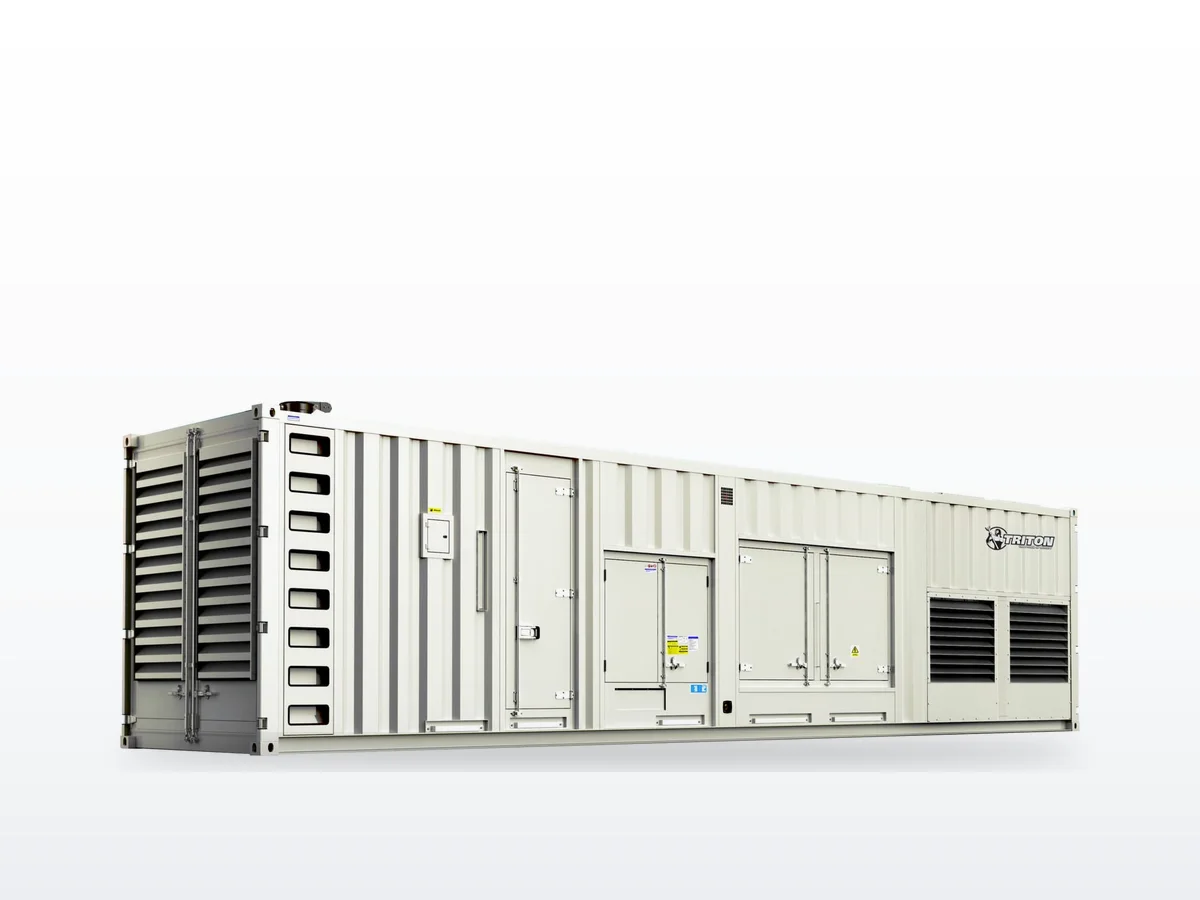
Kohler 1250REOZDD
1250 kW diesel standby -- Detroit Diesel/MTU 12V4000G43, sub-3% THD. Decision-Maker controller for paralleling and load management.
1.3 MW standby · Diesel · Liquid-cooled
1250 kW diesel industrial standby generator powered by Detroit Diesel/MTU. Mission-critical standby for data centers, hospitals, and large facilities.
Triton Power
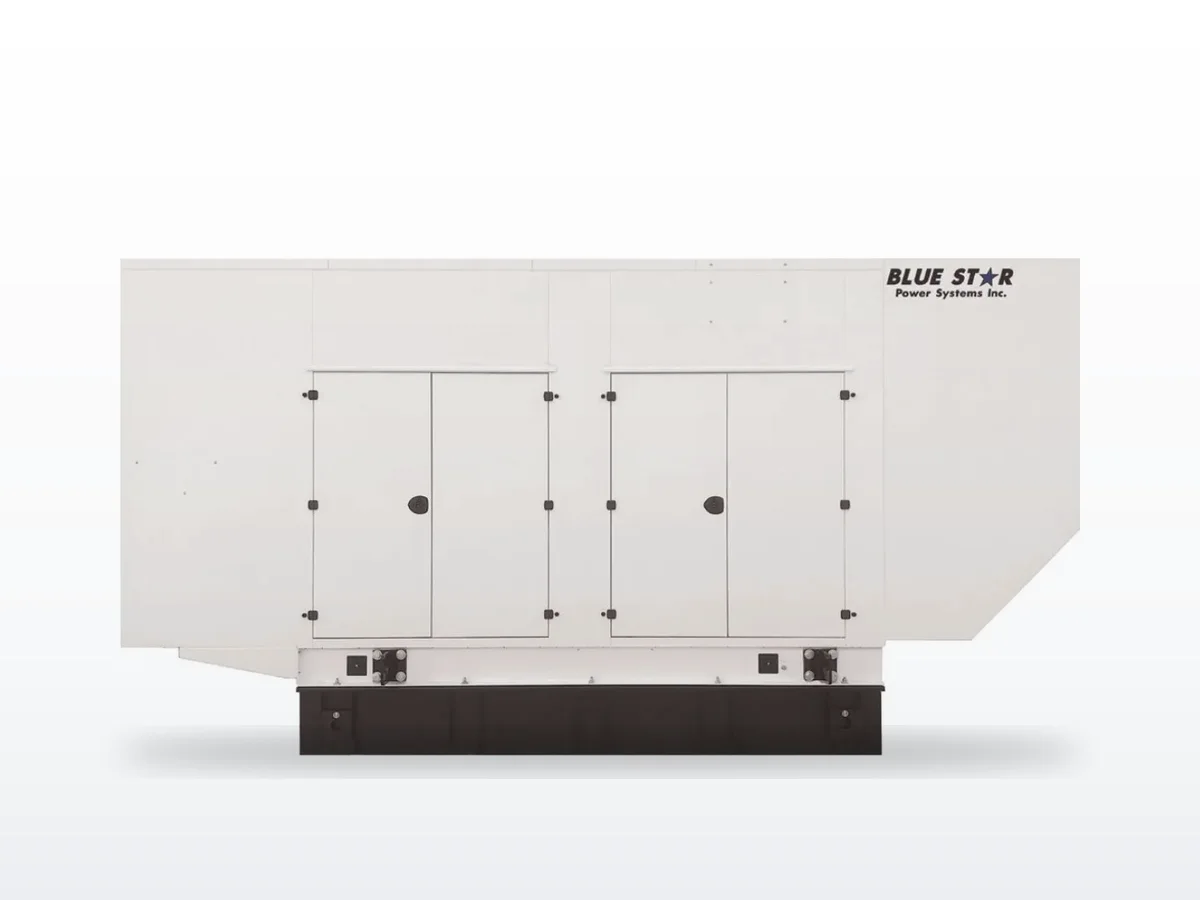
Triton Power TP-P1500-T2-UL
1.5 MW standby · Diesel · Liquid-cooled
1500 kW Tier 2 diesel generator with Perkins 5012C-E46TAG6 V12 engine. UL2200-listed for industrial, data center, and mission-critical standby.
Blue Star Power Systems
Blue Star PD450-01
Open Basler controller + Perkins engine + Stamford alternator — no proprietary lock-in. Serviceable by any qualified tech, not just the dealer.
450 kW standby · Diesel · Liquid-cooled
450 kW Tier 3 diesel standby generator built by Blue Star Power Systems. Perkins 2506D-E15TAG1 six-cylinder engine with charge air cooling, Stamford HCI534C alternator, DSE DCP7310 controller.
Resources & Industries
Written by OnPoint Generators Engineering Team, Engineering Team — NFPA 110 and OEM-certified technicians
Real projects
Work we have actually done, with the equipment and outcomes.
healthcare · San Francisco Bay Area, CA
Multi-Facility Healthcare EPSS Compliance Program: NFPA 110 Level 1 Across a Diverse Generator Fleet
Multiple · 8,000 kW
A Northern California healthcare network with 7+ facilities and a mixed fleet of CAT, Cummins, MTU, John Deere, and Detroit Diesel generators — including medium-voltage 12.47KV units — relies on an ongoing maintenance and compliance program to meet NFPA 110 Level 1, NFPA 99, and Joint Commission EC.02.05.07 requirements across every site.
Read the project →
healthcare · San Francisco Bay Area, CA
Kohler KD Paralleling System: Hospital Data Center Emergency Power
Kohler · 2,500 kW
A Bay Area hospital replaced aging standby generators with a paralleled Kohler KD system — two KD1250 units with Decision-Maker 6000 controllers, KCS transfer switches, and sub-3% THD power quality for sensitive imaging and life-safety equipment.
Read the project →
hospitality · Central California Coast
600 kW Gillette Diesel Generator for a Premier California Hotel
Gillette · 600 kW
A luxury hotel on the California coast needed reliable backup power for guest rooms, restaurants, event spaces, and life safety systems. We specified and installed a 600 kW Gillette diesel generator with full NFPA 110 compliance and ongoing maintenance.
Read the project →
Verify Your Generator’s Performance
Schedule a professional load bank test to confirm your backup power system is ready for the next outage.
Last reviewed: