Overview#
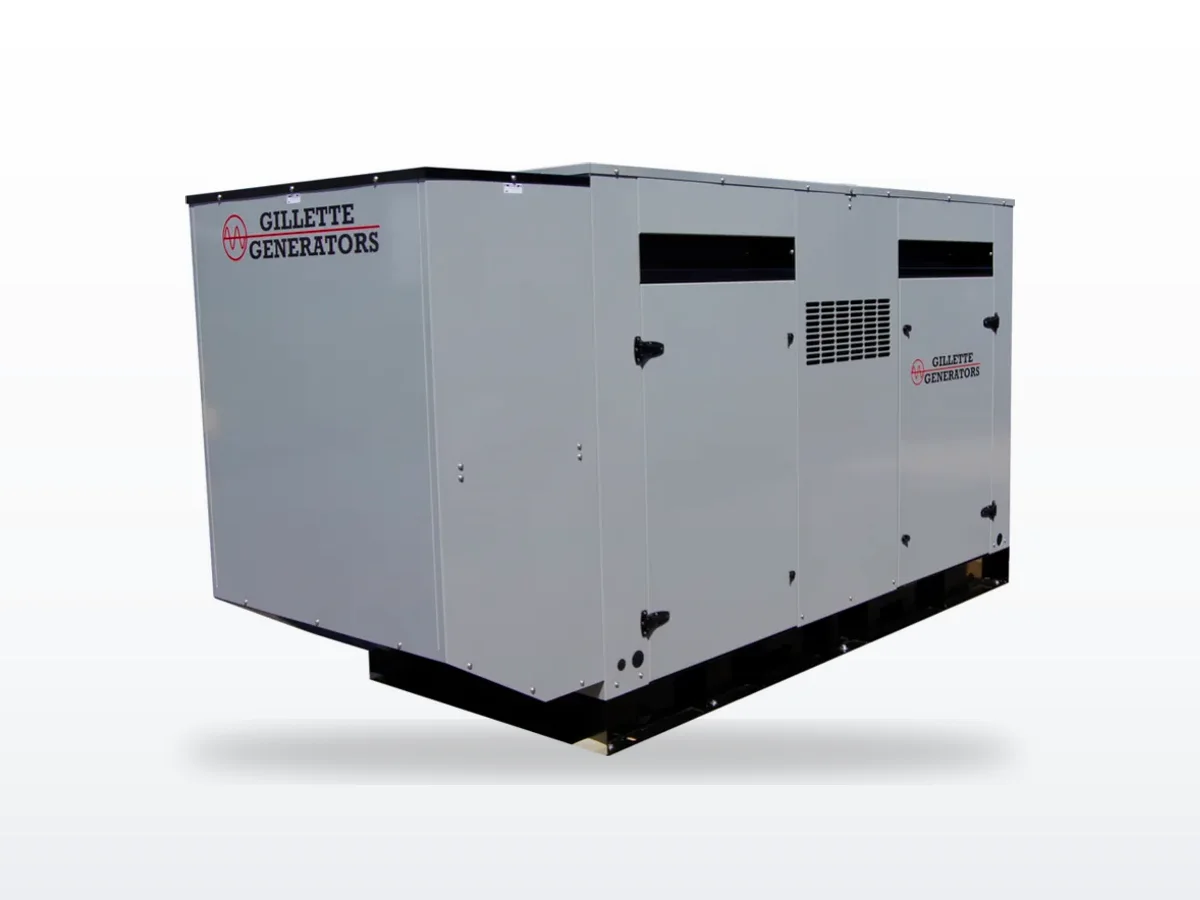
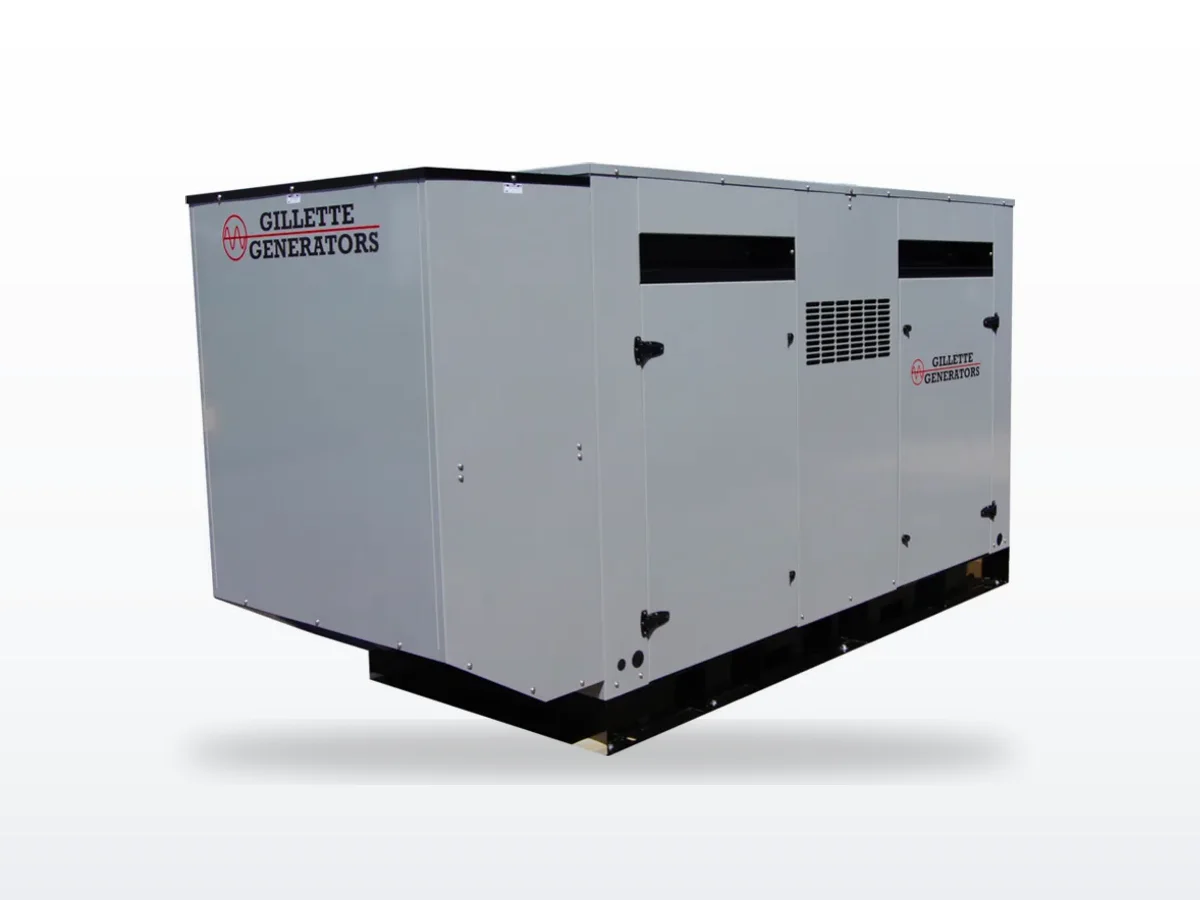
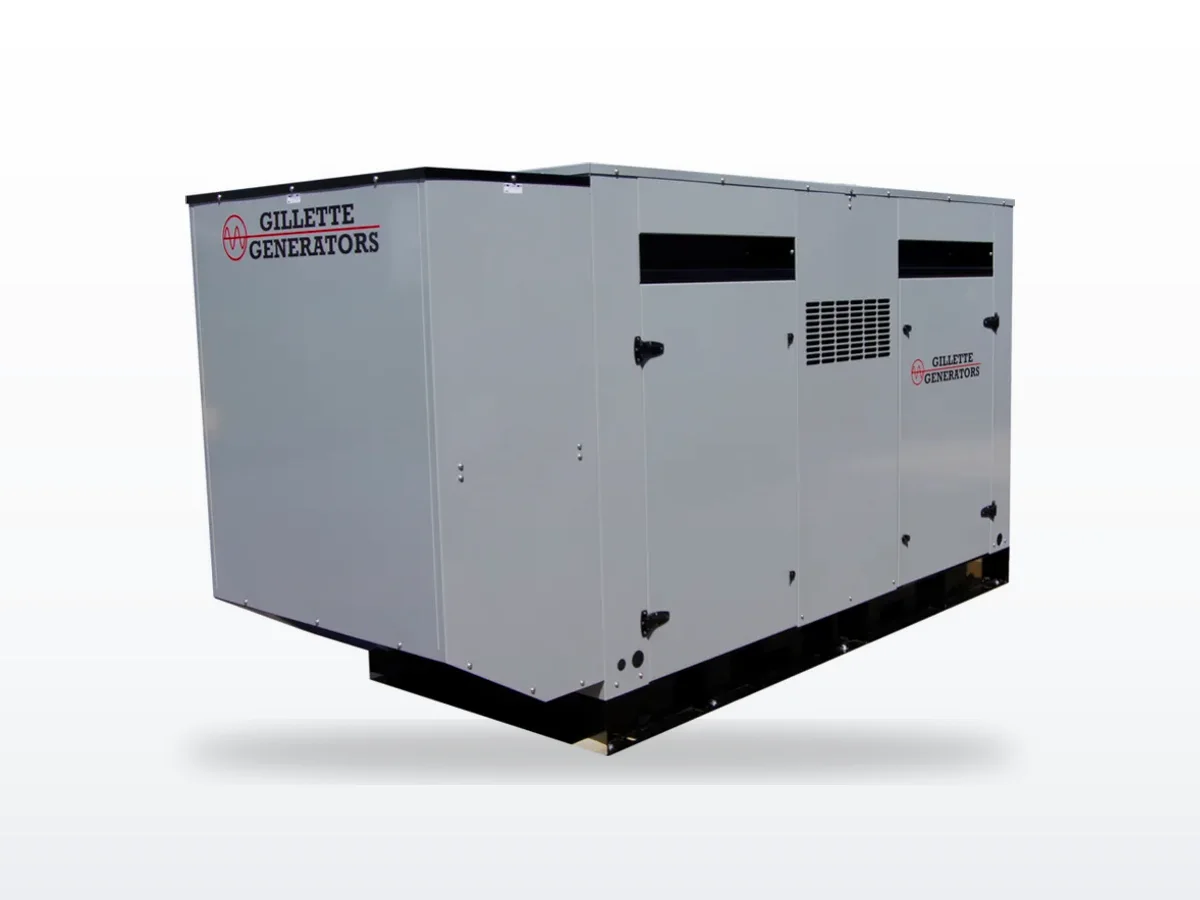
The Gillette SPJD-2100 is a 210-kilowatt stationary diesel standby generator — the largest John Deere model in the Gillette lineup and the output ceiling of the 6068 platform. It uses the HF485 high-output variant of the 6.8L inline-6, producing 315 bhp at standby from the same displacement and enclosure as the 155 kW SPJD-1550. Stamford UCID274J alternator, DSE 7420 MKII controller.
Above 210 kW, Gillette transitions to Volvo engines (SPVD series starting at 250 kW). The SPJD-2100 represents the practical ceiling of John Deere's PowerTech 6068 for standby generator service.
SPJD-1550 vs. SPJD-2100: same engine, different calibration#
| Spec | SPJD-1550 | SPJD-2100 |
|---|---|---|
| Engine | 6068HF285 | 6068HF485 |
| Compression ratio | 19.0:1 | 17.0:1 |
| Standby kW | 155 | 210 |
| Mechanical bhp | 237 | 315 |
| Main bearings | Standard | 7 replaceable inserts |
| Fuel (100%) | 12.1 gal/hr | 15.5 gal/hr |
| Dimensions/weight | Identical | Identical |
The lower compression ratio on the HF485 compensates for higher boost pressure — the engine runs more boost and more fuel at lower base compression, achieving 35% more output. The reinforced main bearings handle the higher cylinder pressures.
The John Deere to Volvo transition at 210 kW#
210 kW is where both John Deere (SPJD) and Perkins (SPD at 200 kW) reach their practical output limits for standby duty. The next step — Gillette's SPVD-2500 at 250 kW — uses a Volvo TAD series engine. This is a different:
- Engine architecture — Volvo TAD vs. John Deere PowerTech
- Parts ecosystem — Volvo Penta dealer network vs. John Deere
- Physical footprint — larger enclosure at 250 kW+
For facilities that may need to grow beyond 210 kW, consider whether to start with Volvo at 250 kW to avoid a future engine platform change.
Our service experience#
The John Deere 6068HF485 at 210 kW runs at the upper end of this platform's thermal envelope — the turbocharger operates at higher boost, and the charge air cooler handles more heat rejection than the 155 kW variant. We inspect these components carefully at each service interval. At this power level, annual full-load bank testing is essential — standby generators at 200+ kW that only run monthly at no-load will not reveal turbocharger, cooling, or fuel system issues until an actual outage demands full output.