Overview#
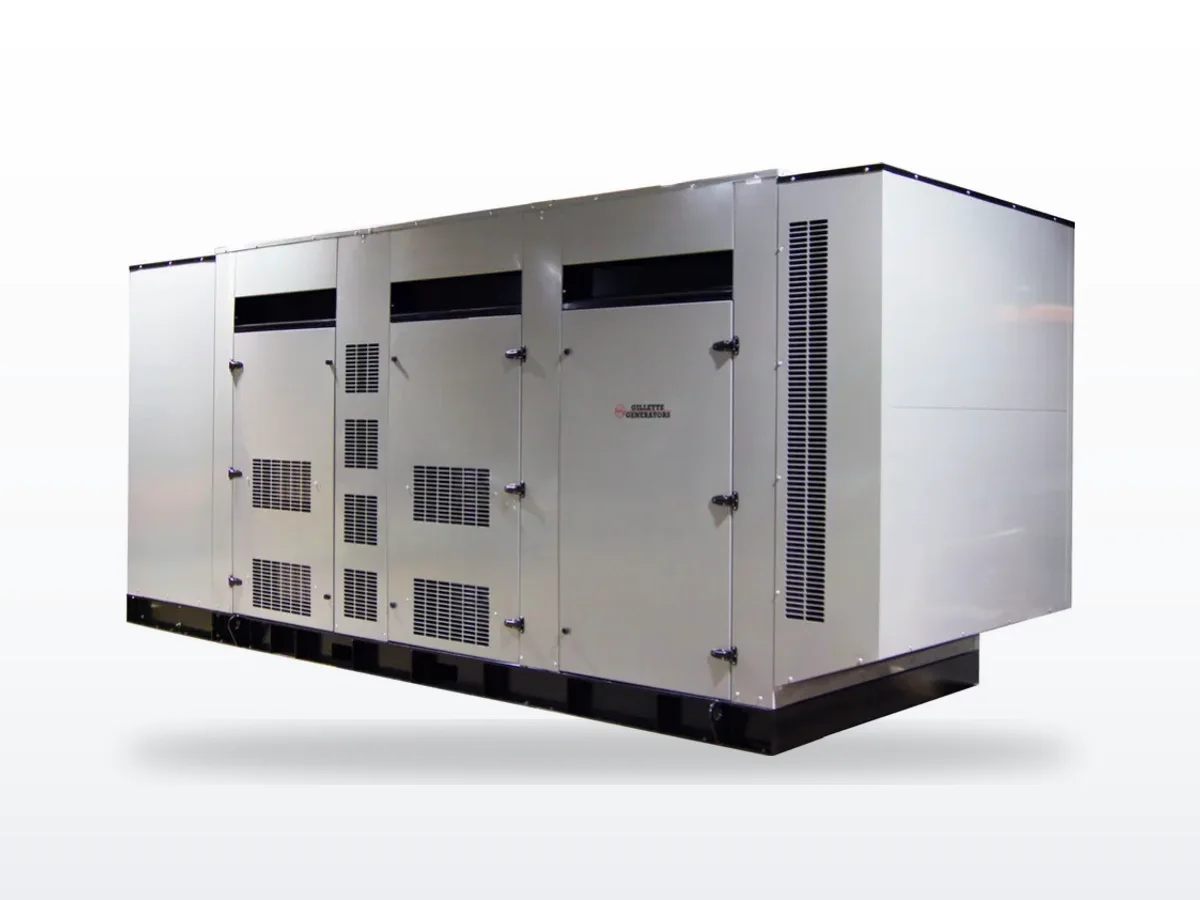
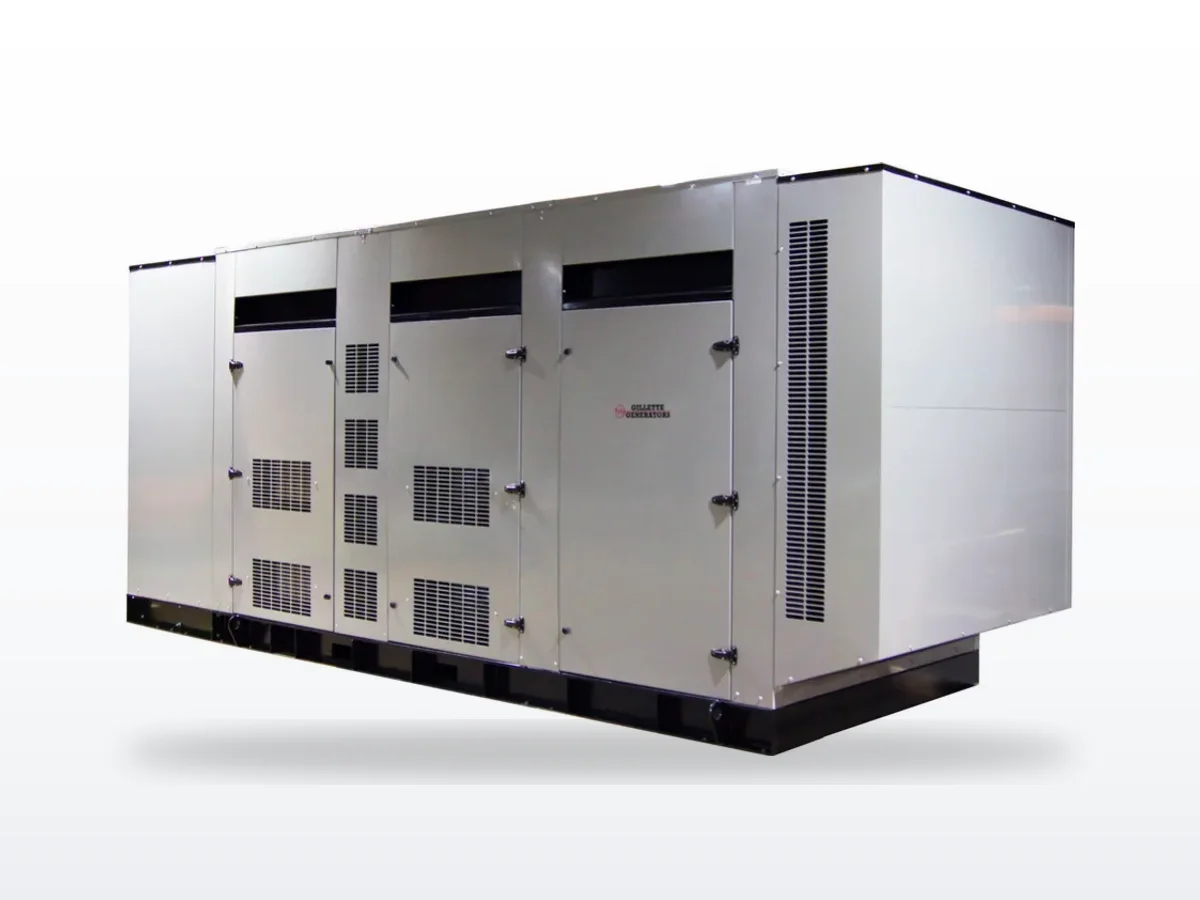
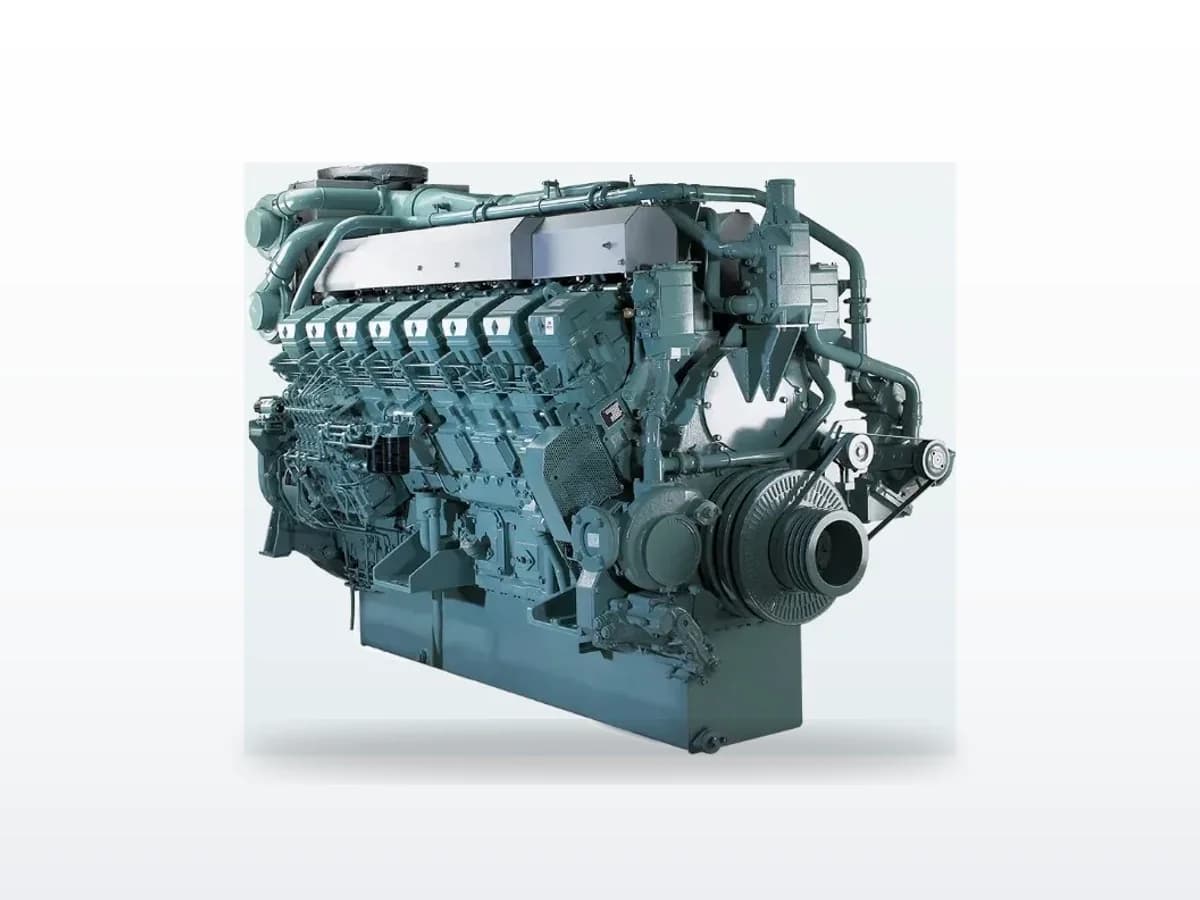
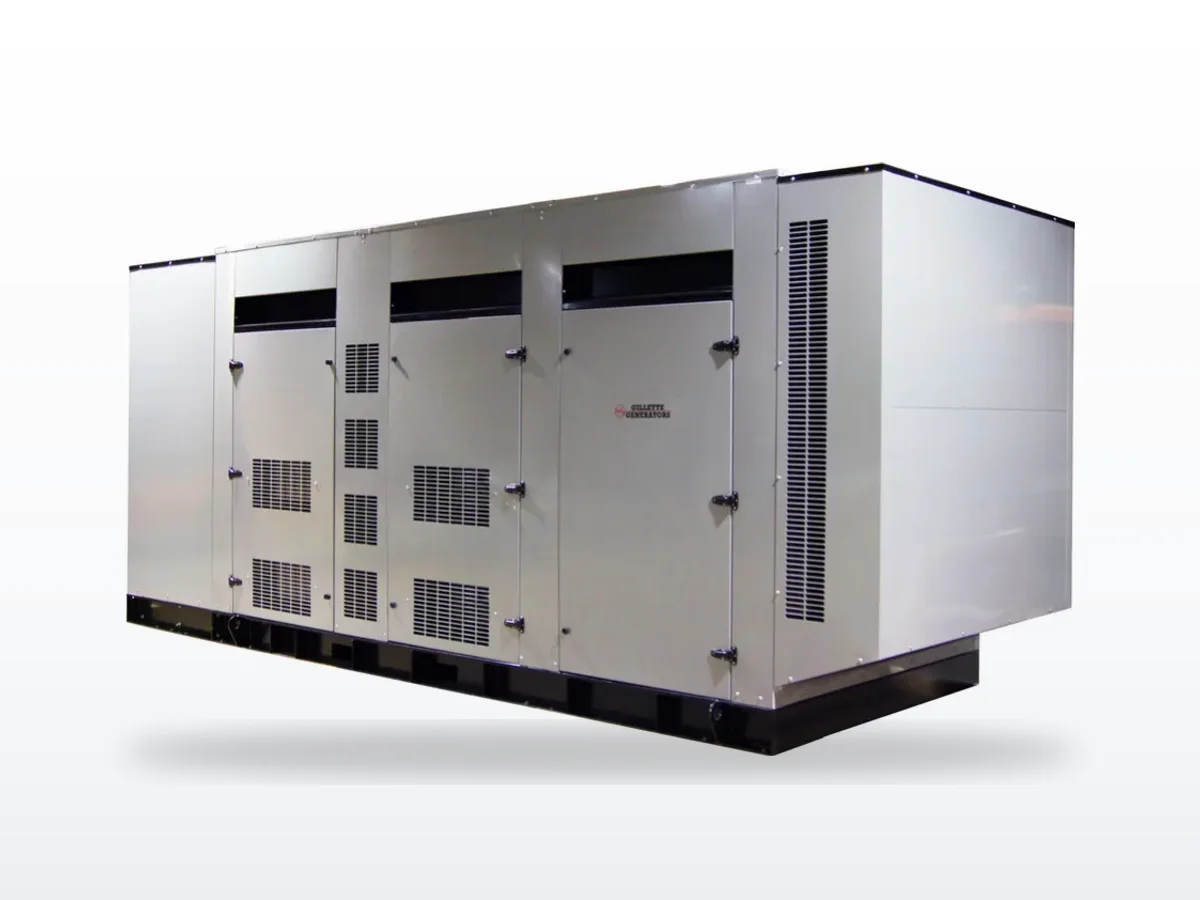
The Gillette SPMI-8000 is an 800-kilowatt stationary diesel standby generator — the entry point into the Mitsubishi S-series diesel platform at Gillette. The Mitsubishi S12A2 is a 33.9L turbocharged and water-to-air aftercooled V12 producing 1,207 bhp. Stamford AVK HCI634H alternator with PMG excitation, DSE 7420 MKII with UL 6200, three-phase only.
At 800 kW diesel, this is a utility-grade standby generator for data centers, large hospitals, industrial plants, and campus-wide distributions. The SPMI series extends from 800 kW to 2,000 kW — Gillette's diesel lineup for the largest commercial and institutional applications.
The Mitsubishi S-series platform#
Mitsubishi's S-series industrial diesel engines are the standard power source for large diesel generators globally. The S12A2 in the SPMI-8000 represents the 12-cylinder entry point:
- 33.9L V12 — 2,071 cu in, 5.91" bore × 6.30" stroke
- Water-to-air aftercooling — more effective and consistent than air-to-air intercooling at this displacement
- Dual Bosch electronic fuel injection (P-type × 2) — precision fuel delivery for clean combustion
- 15.3:1 compression ratio — moderate compression for the displacement class
- EPA Tier II — the SPMI series is Tier II (not Tier III like the smaller diesel models)
The Mitsubishi S-series is used by Caterpillar (in some models), Blue Star, and numerous other assemblers at this power class. Parts availability through Mitsubishi's industrial power network is established.
PMG excitation at 800 kW — why it matters#
The Stamford AVK HCI634H uses PMG excitation — the same technology as the SP-1M (natural gas). At 800 kW diesel, PMG excitation provides:
- Voltage stability under large motor starts — data center UPS transfers and elevator motors
- Fault current for protective relays — maintains excitation during three-phase shorts
- One-step load acceptance — the alternator can accept the full 800 kW in a single ATS transfer
Our service experience#
The Mitsubishi S-series is a well-established platform in our territory's larger installations. At 800 kW, these generators require structured preventive maintenance programs with dedicated service teams. Annual full-load bank testing is mandatory — no exceptions at this power class. Fuel management is especially critical: 67.4 gal/hr fuel consumption means large on-site tanks that require regular fuel quality testing and polishing to prevent injector damage.