Overview#
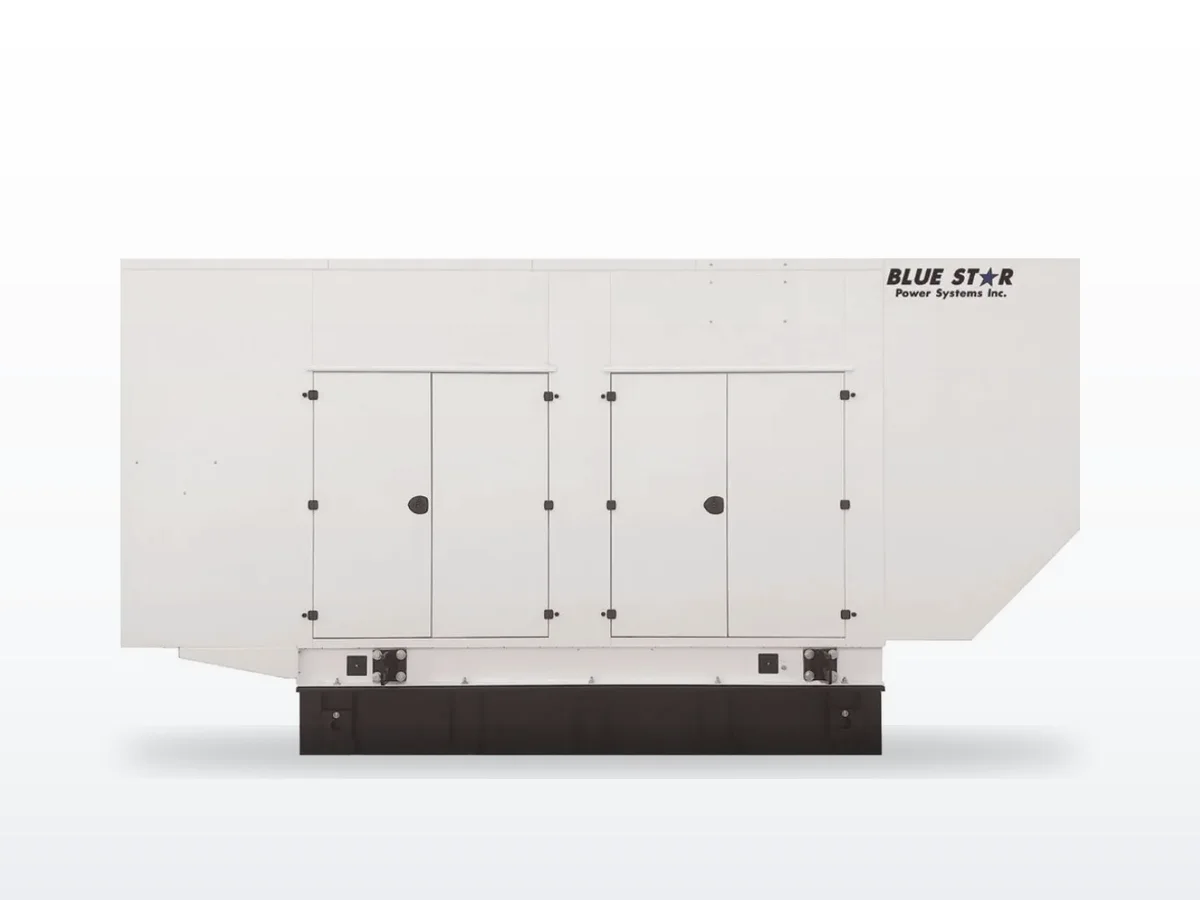
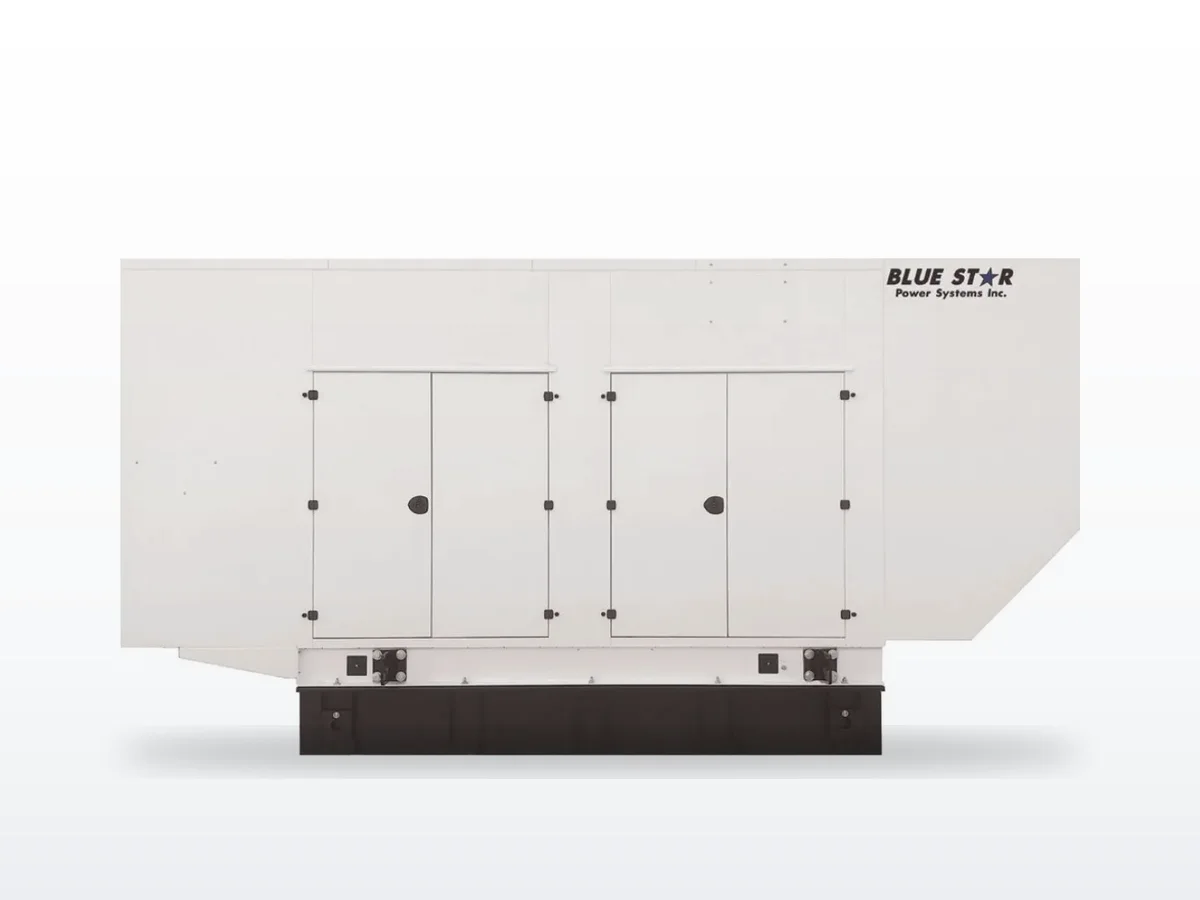
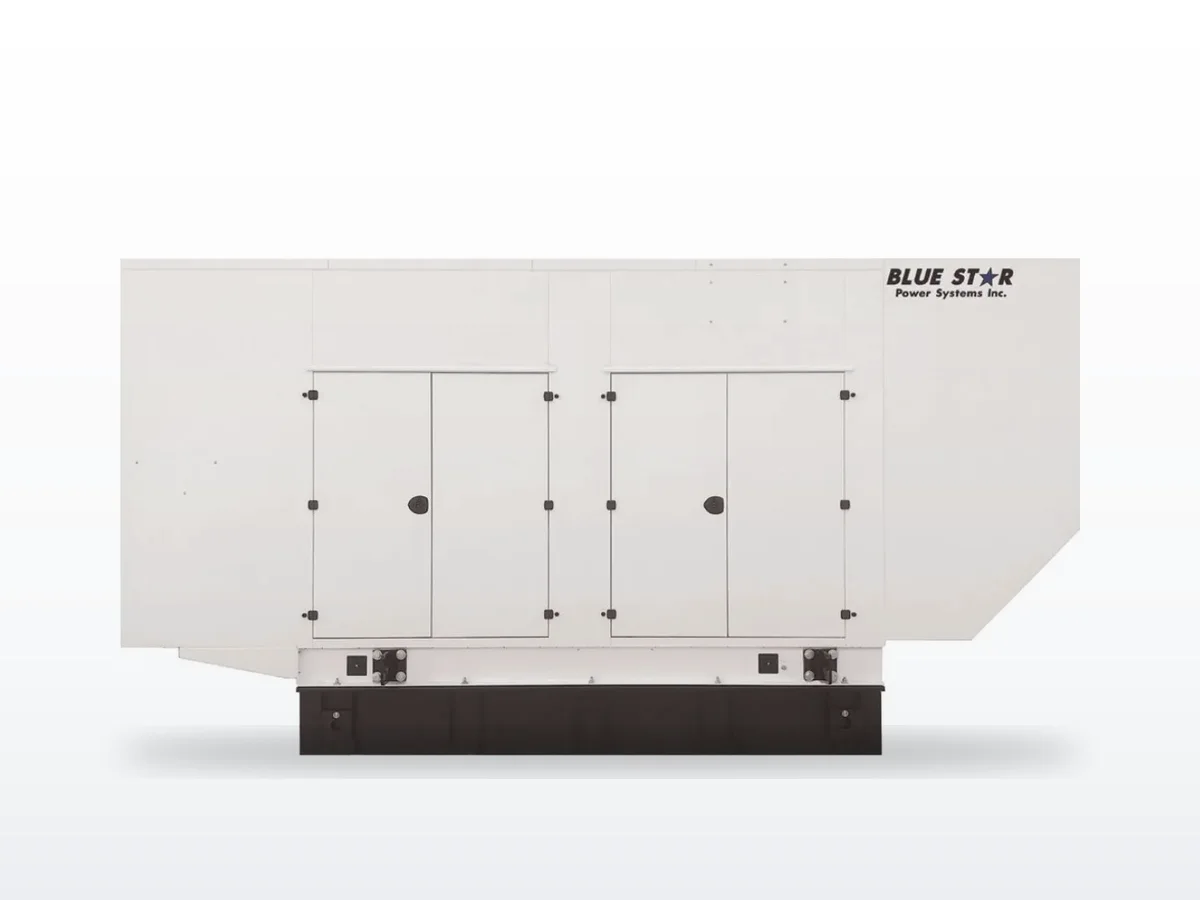
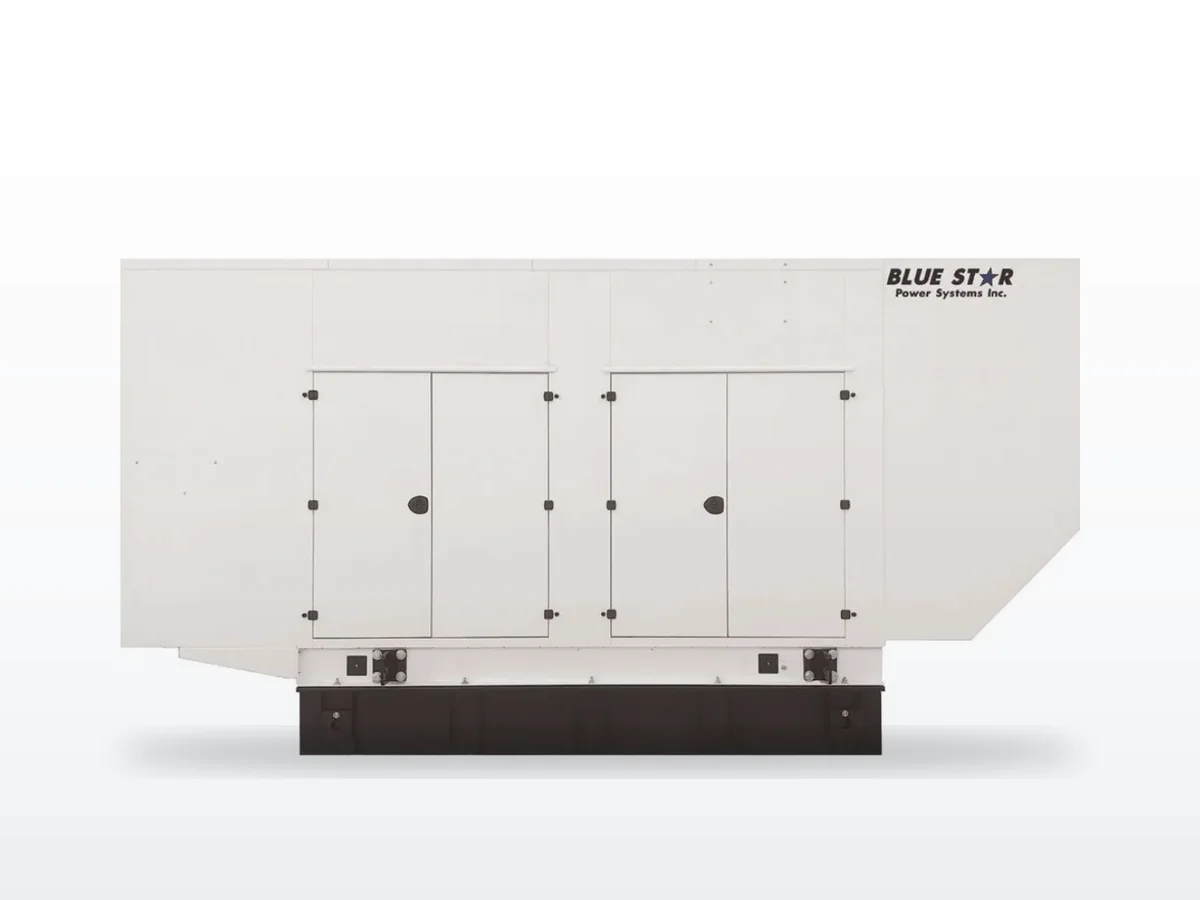
The Blue Star VD700-01 is a 700-kilowatt EPA Tier 2 diesel standby generator built around the Volvo Penta TWD1744GE — a 17.3-liter inline-six that represents the largest and most advanced engine in Blue Star's Volvo Penta diesel lineup. This is a current-production active model.
The TWD1744GE introduces Common Rail injection to the Blue Star lineup (replacing the electronic unit injectors used on all smaller models), along with Volvo Penta's newest ECM4 electronic control system and 1,000-hour service intervals.
The Volvo Penta TWD1744GE platform#
The TWD1744GE is the flagship of Volvo Penta's genset engine range:
- 17.3L inline-six — the largest displacement in Blue Star's Volvo Penta lineup, with bore of 5.87 in and stroke of 6.50 in
- Common Rail injection — Volvo Penta's F3 fuel injection system replaces the electronic unit injectors used on all other models, for more precise fuel metering and reduced combustion noise
- ECM4 electronic control — the newest generation of Volvo Penta engine management, with advanced diagnostics via CAN J1939
- Dual-stage turbocharging with water-cooled dual charge air coolers — same architecture as the TWD1644GE (VD600-03)
- 1,000-hour service interval — the longest in the Blue Star Volvo Penta lineup
- Data Center Power ratings — Volvo Penta publishes specific data center ratings for the TWD1744GE, indicating its suitability for mission-critical installations
- 4,920 ft altitude ceiling — rated power available to 1,500 m
Variant selection guide#
The VD700-01 is the top of Blue Star's Volvo Penta diesel range:
- VD600-03 (600 kW, Volvo TWD1644GE 16.1L) — 100 kW less from a smaller displacement engine with older EMS 2.3 controls and unit injectors. Same physical footprint but 1,225 lbs lighter. Choose this if 600 kW meets the load study.
- For loads exceeding 700 kW, Blue Star offers models with other engine OEMs or paralleled configurations.
When to spec the VD700-01#
- 560-700 kW continuous emergency standby loads on diesel fuel at sites below 4,920 ft elevation
- Large industrial facilities, hospitals, data centers, and campus power systems
- Mission-critical installations where the 1,000-hour service interval and Common Rail injection provide operational advantages
- Applications where EPA Tier 2 is permitted for stationary emergency standby