Overview#
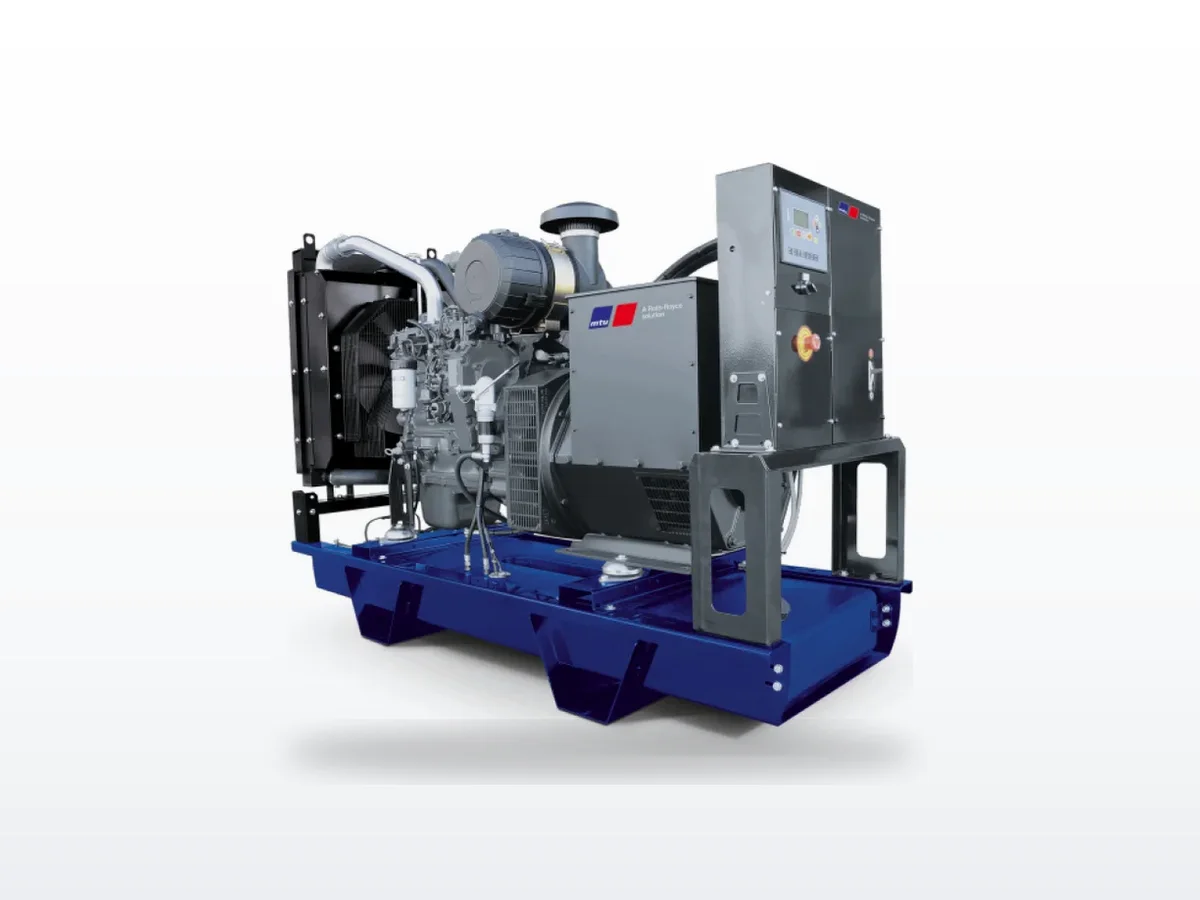
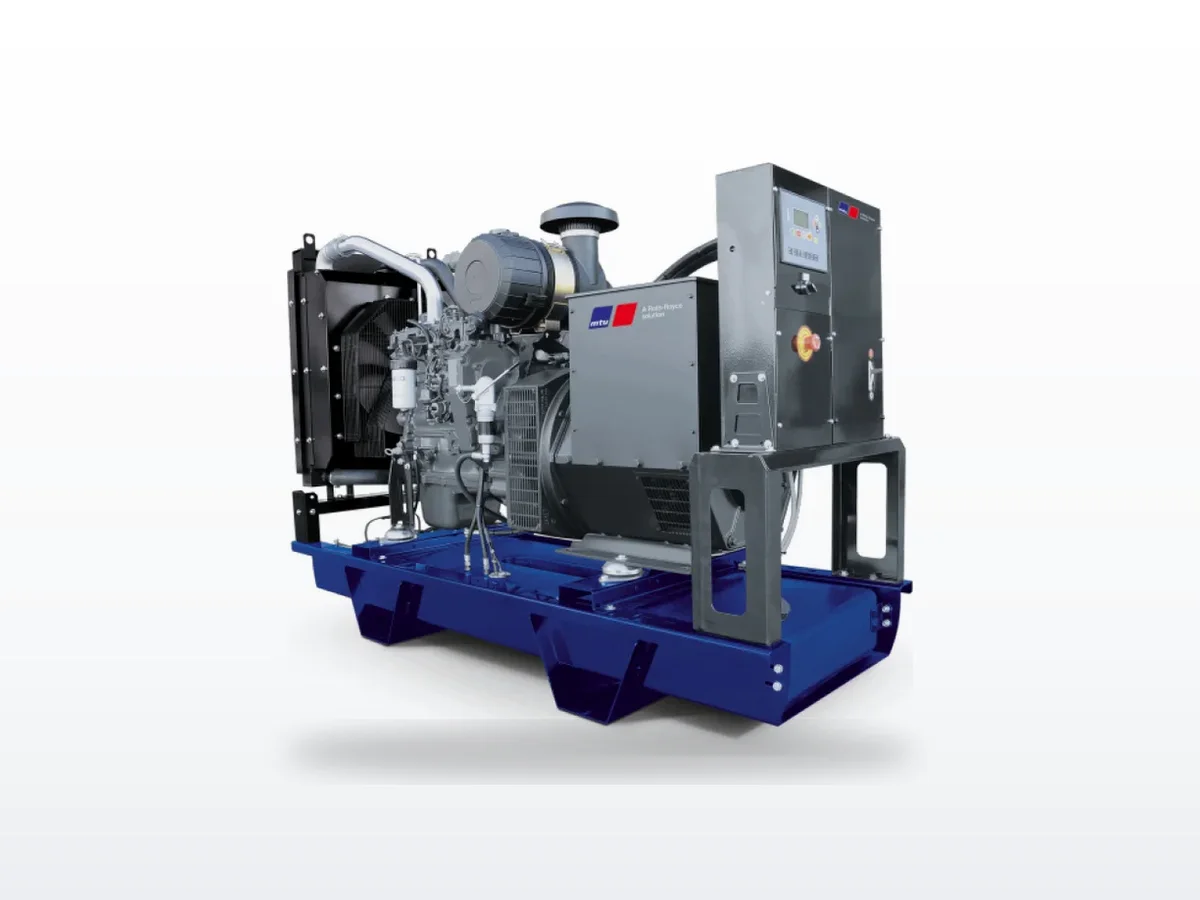
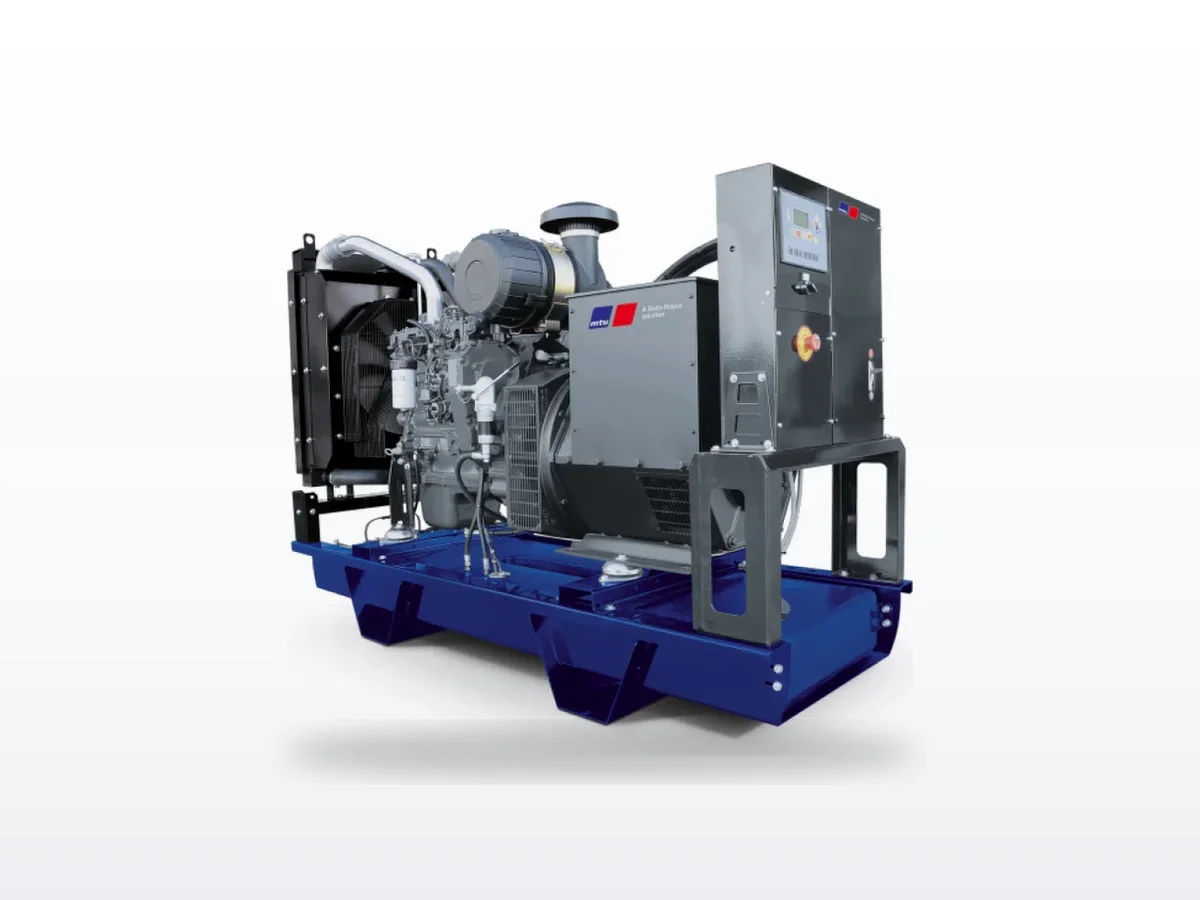
The MTU 6R0150 DS250 is a 250-kilowatt diesel standby generator set rated at 250 kW standby and 230 kW prime. It is powered by a John Deere 6090HF484, a 9.0-liter inline six-cylinder diesel engine with common rail fuel injection and electronic isochronous governing. This Tier 3 variant carries both EPA and SCAQMD certification.
The DS250 shares the 6R0150 platform with the DS300 (300 kW), using the same physical footprint but a lower-output engine tune. The Leroy-Somer 432CSL6210 alternator provides brushless, 4-pole output with 300% short circuit capability. A separate Tier 4 variant (using the John Deere 6090HFG06 engine) is also available for jurisdictions requiring lower emissions.
The John Deere 6090 platform#
The 9.0-liter John Deere 6090 is a well-established industrial diesel with common rail injection and electronic governing. At 315 kWm (422 bhp) maximum power for the DS250 tune, the engine operates with conservative loading for its displacement, contributing to reliability in standby duty cycles. The 16:1 compression ratio, 4.7-inch bore, and 5.4-inch stroke are shared with the DS300's higher-output 6090HFG86 variant. Oil system capacity is 31 liters (8.19 gallons) and the coolant system holds 53.5 liters (14.13 gallons) -- modest volumes that simplify routine maintenance. HVO and GtL fuels meeting EN15940 are approved alternatives to diesel #2.
Our service experience#
The DS250 is one of the most approachable units in the MTU lineup for Northern California commercial installations. At just 12 feet long, 5 feet wide, and under 7,000 lbs, it fits in mechanical rooms where larger units cannot. The John Deere 6090 engine benefits from excellent parts availability through the extensive JD dealer network in the region. Fuel consumption of under 20 gph at full load keeps operating costs manageable for facilities that run periodic load bank tests. The 84.3 dBA sound level at 7 meters (open set) is among the quieter options in the 250 kW class, though sound-attenuated enclosures are available for noise-sensitive locations. We recommend maintaining the standard 500-hour oil change interval and testing the 24V starting system quarterly.