Overview#
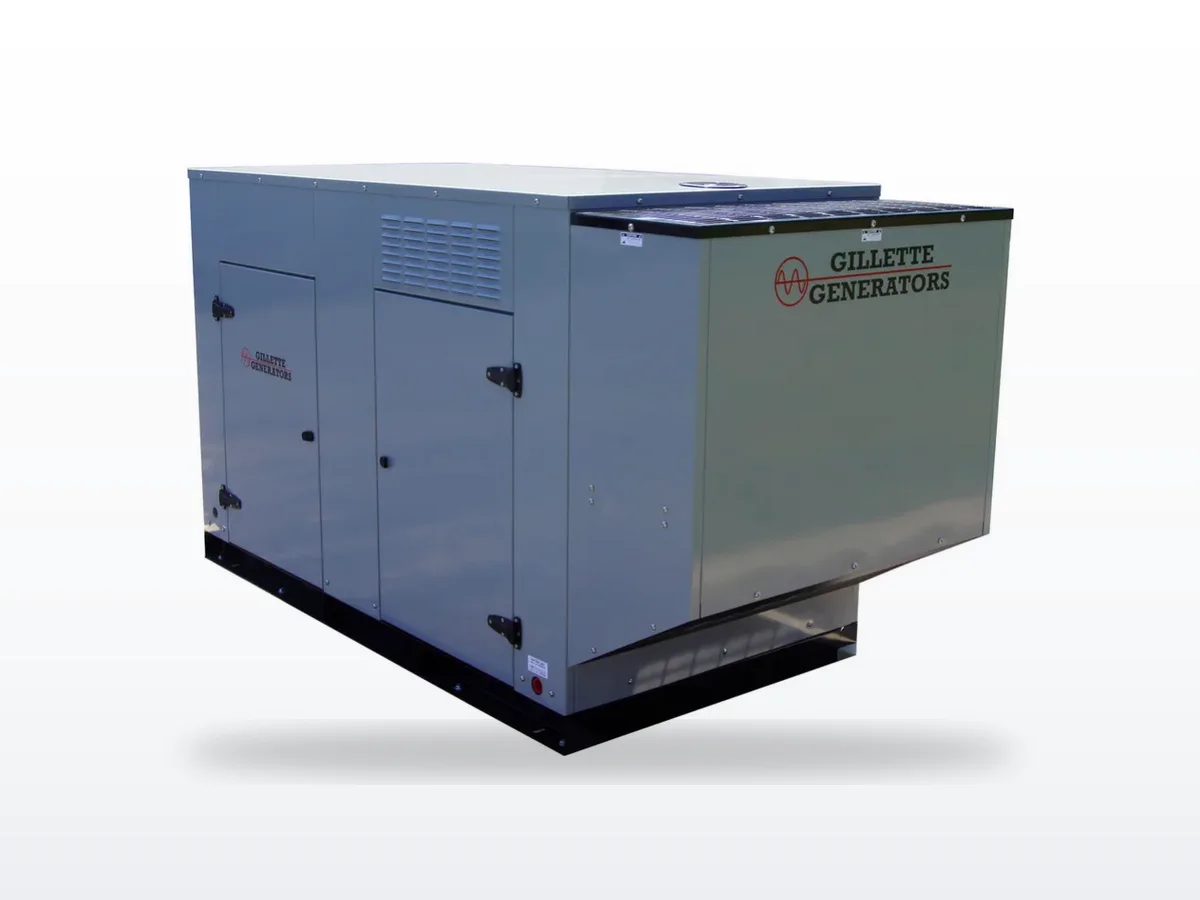
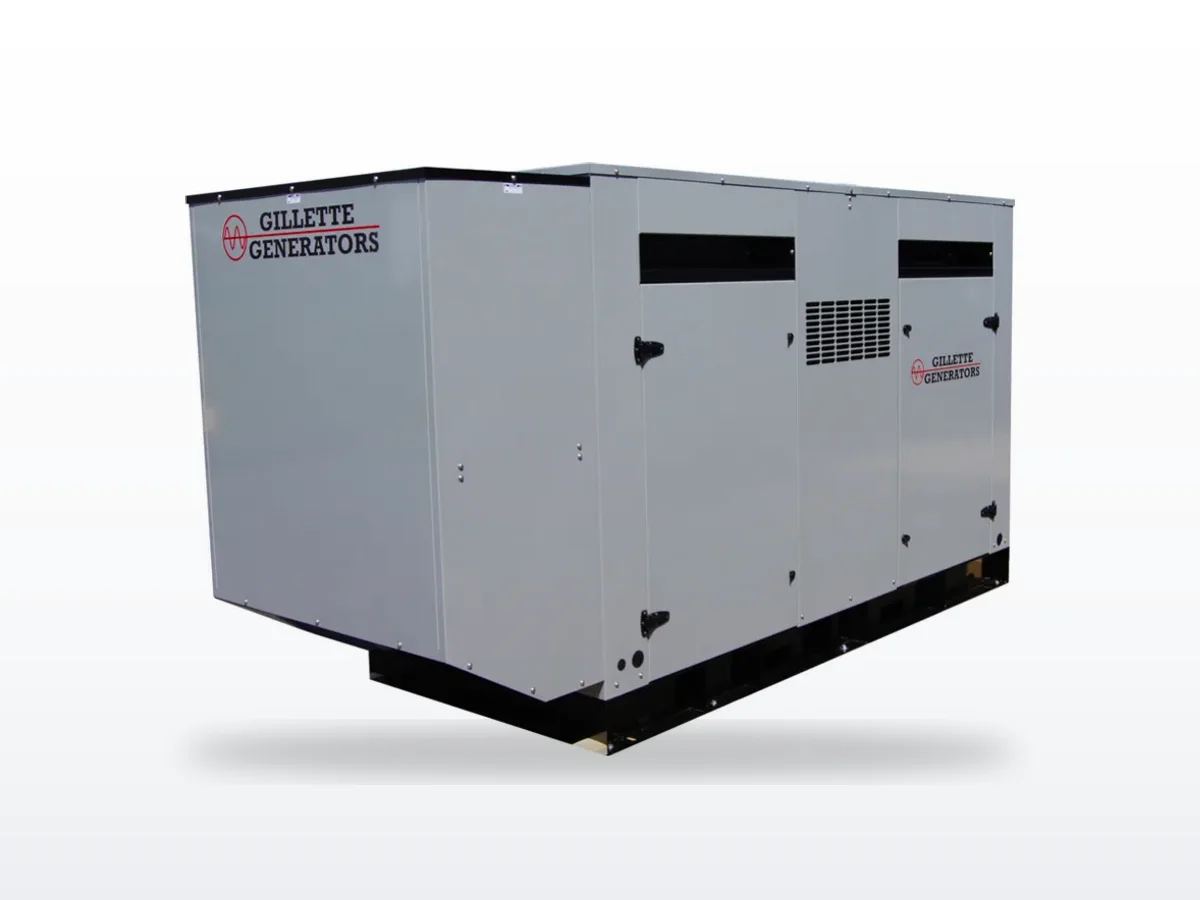
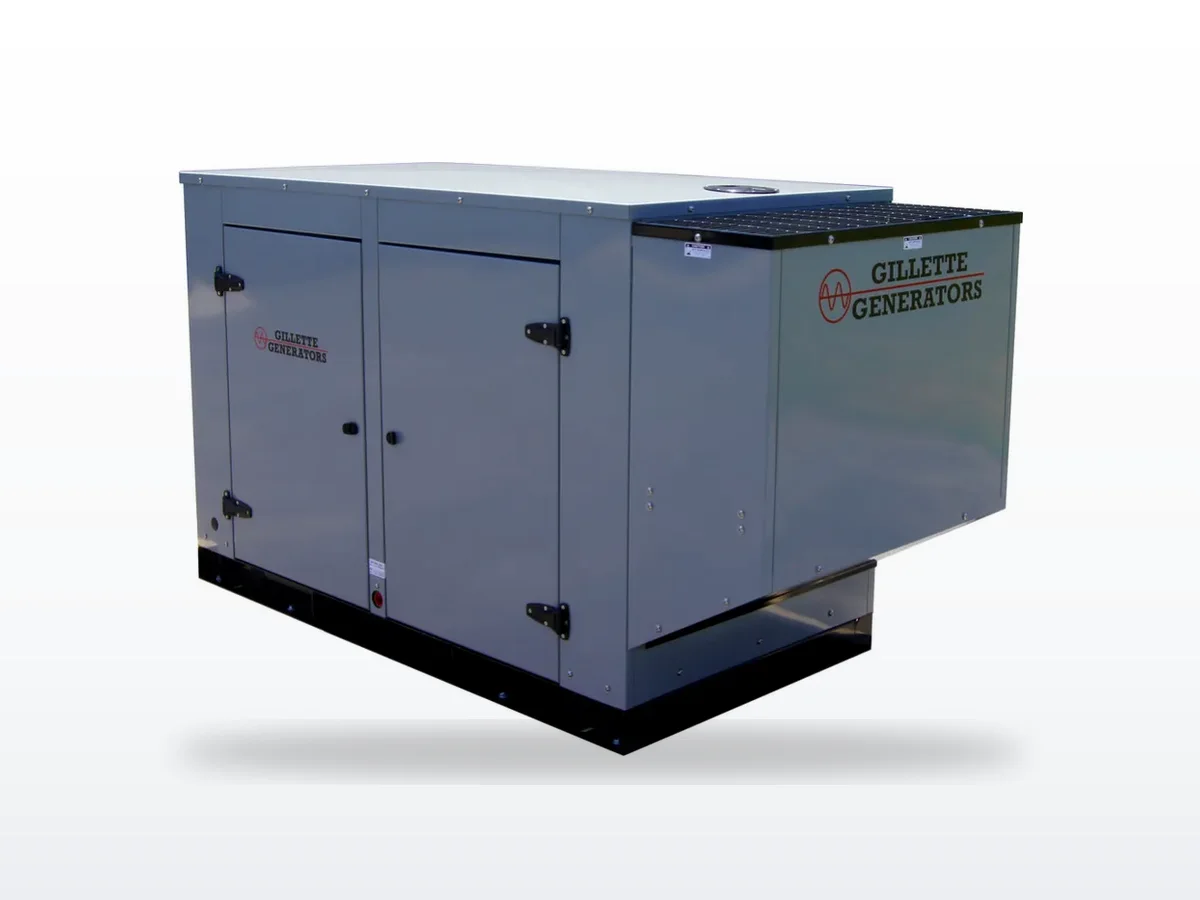
The Gillette SPD-300 is a 30-kilowatt stationary diesel standby generator — Gillette's entry-level diesel unit, built on the Perkins 404D-22TAG turbocharged inline-4. At 30 kW, it serves the smallest commercial diesel applications: telecom sites, retail buildings without gas service, pump stations, and construction support facilities.
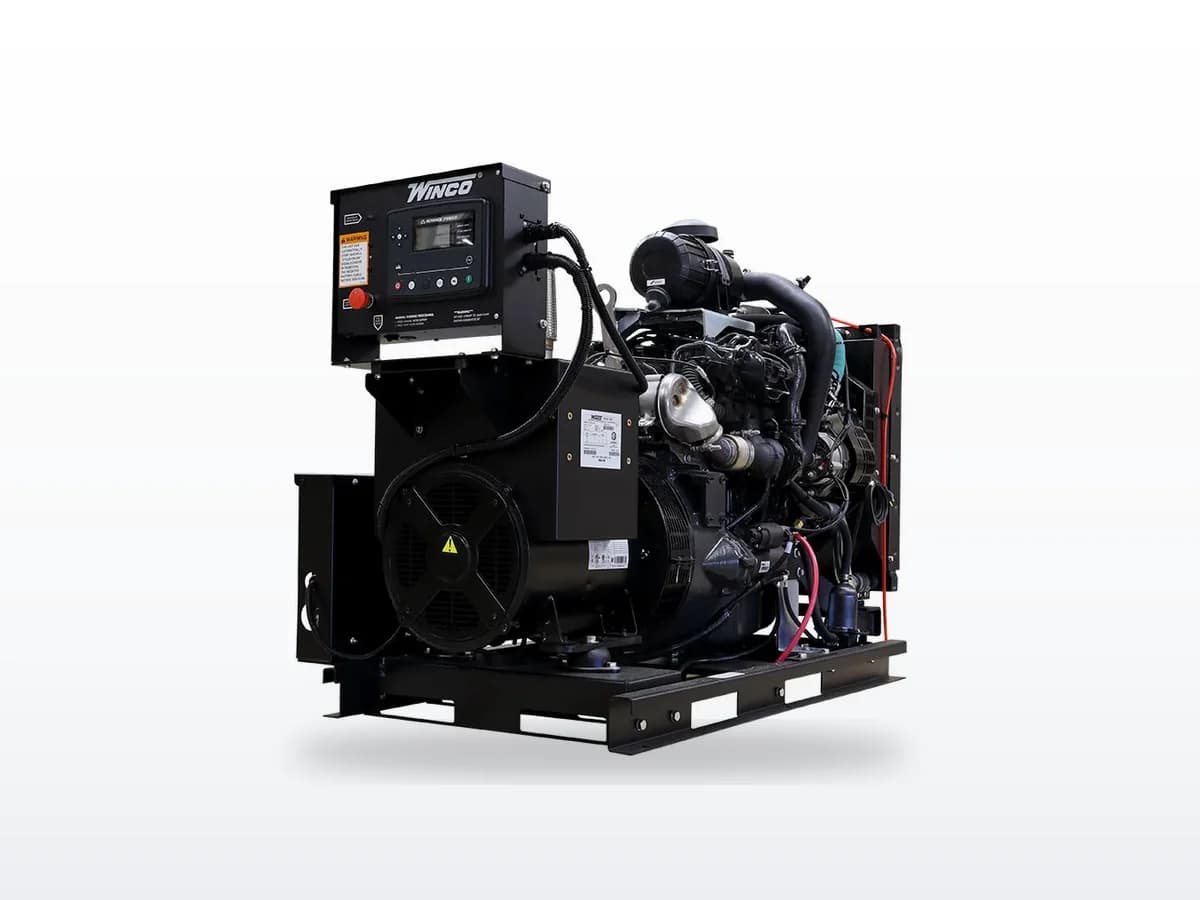
Perkins' 400D series is one of the most widely deployed small industrial diesel platforms globally. Stamford alternator, DSE 7420 MKII controller — the same open-architecture component strategy as all Gillette units.
The Perkins 404D platform#
The Perkins 404D-22TAG is a 2.22L turbocharged inline-4 diesel with air-to-air charge cooling and common rail fuel injection. Key characteristics:
- Compact displacement — 2.22L produces 30 kW standby output efficiently at 1800 RPM
- 23.3:1 compression ratio — high compression for reliable cold starting and combustion efficiency
- Interim Tier IV certified — the only Gillette industrial diesel at this emissions tier (all larger SPD/SPJD models are Tier III)
- 48.8 bhp mechanical output at standby — well within the engine's continuous duty envelope
The 404D series parts are globally available through Perkins' dealer network — a significant advantage for remote installations where John Deere or Volvo dealer coverage may not reach.
Diesel at 30 kW — when to choose this over gas#
At 30 kW, the natural gas alternative is the Gillette SP-250 (25 kW NG). Diesel is preferred when:
- No natural gas service — remote telecom towers, pump stations, agricultural buildings
- Extended runtime required — on-site fuel storage provides predictable runtime independent of utility gas supply
- Code mandates diesel — some fire pump and life safety installations require diesel per NFPA 110
The tradeoff: diesel requires fuel maintenance (testing, polishing, and replenishment) and periodic exercising to prevent fuel degradation. Gas requires no fuel storage but depends on continuous utility supply.
Our service experience#
The Perkins 400D series is a well-known engine in our territory — we encounter it across multiple generator brands at the 20-40 kW diesel range. Parts are readily available, service procedures are well-documented, and the engine responds well to standard diesel maintenance protocols: 500-hour oil changes, annual fuel filter replacement, and quarterly fuel quality testing for standby installations.