Overview#
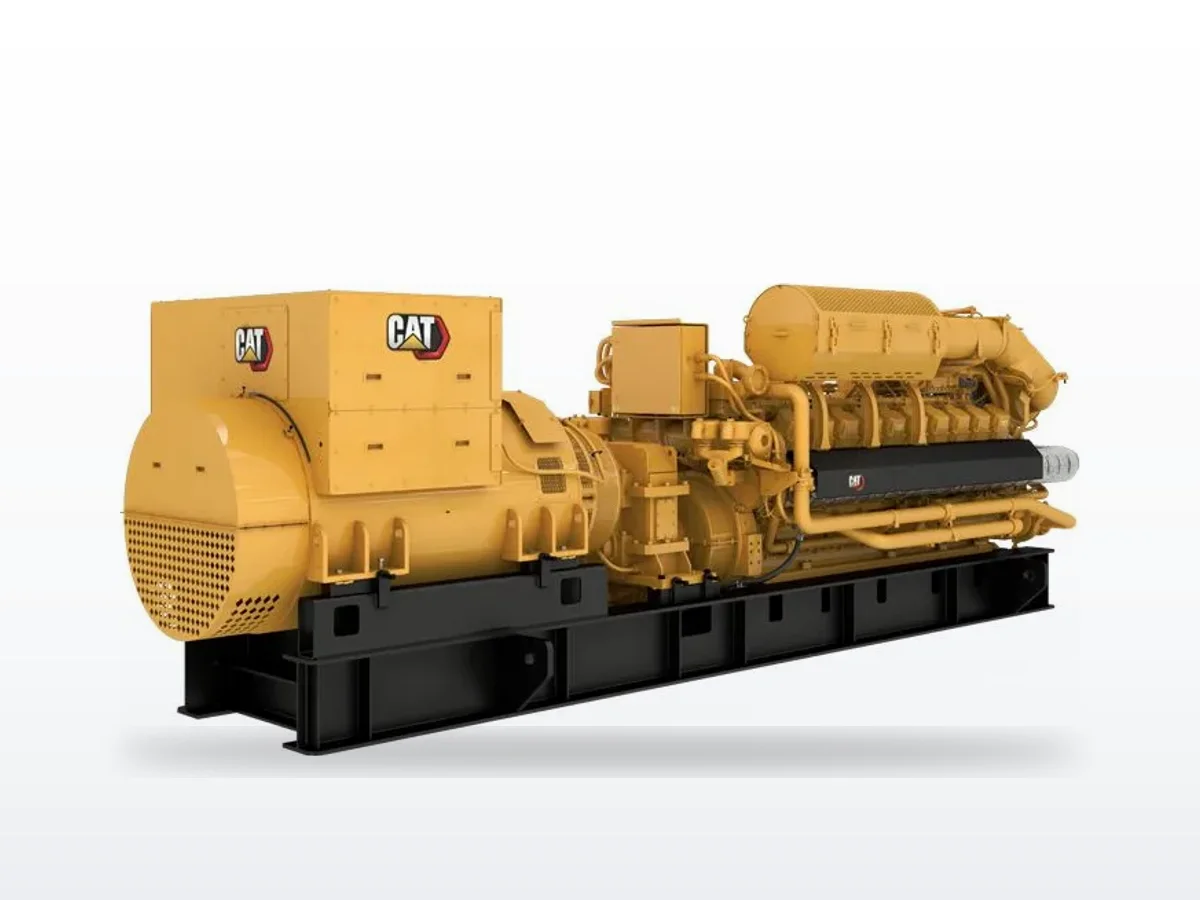
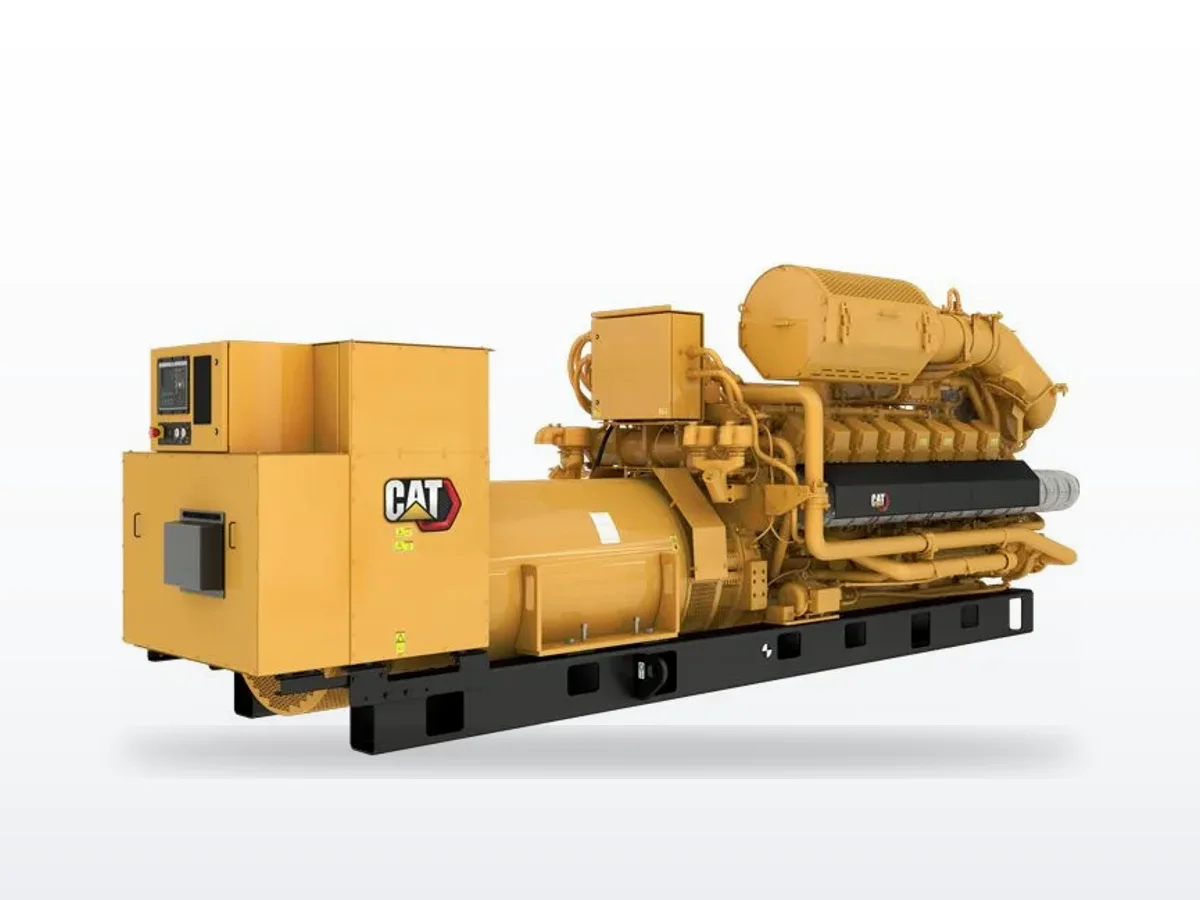
The Cat CG260-16 is a 4 MW (4000 kW) continuous-duty natural gas generator set -- the top output variant of the CG260 engine family. Using 16 cylinders with 21.2L displacement each, the CG260-16 achieves 339.2 liters of total displacement and 4 MW of continuous electrical output from a single machine.
At this scale, the CG260-16 is a power plant asset, not a building system. It serves utility peaking facilities, major district energy central plants, and large industrial cogeneration installations where single-machine simplicity at 4 MW justifies the capital investment over installing multiple smaller units.
4 MW in one machine: the case for the CG260-16#
For utility and district energy operators, consolidating 4 MW in a single generator set rather than two 2 MW machines has real advantages:
- Footprint -- one engine room, one exhaust system, one cooling system
- O&M cost -- one major overhaul scope every 60,000 hours instead of two concurrent scopes
- Controls simplicity -- single-unit dispatch vs parallel switchgear for two machines
- Interconnect -- single utility interconnect agreement and protection relay package
The trade-off is that a single large unit creates a larger single point of failure. For critical district energy installations, N+1 redundancy often means installing two CG260-16 units rather than operating at single-machine risk.
Utility peaking#
The CG260-16's 4 MW output makes it relevant for utility peaking contracts where the generator is dispatched during grid stress periods. Natural gas fuel, EPA Stationary Spark Ignition certification, and the absence of on-site fuel storage logistics make natural gas peakers operationally simpler than diesel peaking plants of comparable output.
Gas peaking at 4 MW pairs well with utility-scale demand response programs and capacity market participation in ISO/RTO regions.
District energy and CHP#
A single CG260-16 in a CHP configuration produces both:
- 4 MW of electrical output for on-site consumption or export
- Recoverable thermal energy from jacket water and exhaust heat recovery systems sufficient to supply significant district heating or absorption cooling loads
Total fuel utilization in well-designed CHP systems at this scale can exceed 75%. For district energy networks in cold climates with high heating loads, a 4 MW CHP central plant can anchor the entire thermal distribution network while also offsetting the site's grid electricity purchase.
Engine scale: 339.2L V16#
The CG260-16's 339.2-liter displacement across 16 cylinders represents an engine designed from the ground up for continuous stationary service. The 21.2L per cylinder bore-stroke combination was chosen for continuous-duty torque and bearing load characteristics rather than the power density that higher-speed engines optimize for.
The 60,000-hour major overhaul interval -- running 8,000 hours per year, that is over 7 years between major overhauls -- is the defining operational advantage of the CG260 platform over smaller, higher-speed engines.
Installation requirements#
The CG260-16 is a major infrastructure project:
- Civil engineering -- heavy foundation with vibration isolation engineering; machine weight and dynamic loading must be calculated
- Gas supply infrastructure -- high-volume gas delivery, pressure regulation, and emergency shutoff engineering
- Medium-voltage electrical -- 4160V or 13800V switchgear, protective relaying, metering, and utility interconnect agreement
- Cooling infrastructure -- cooling tower or remote radiator system sized for full engine thermal rejection
- Air quality permitting -- Title V or state minor source air permit required; permitting timeline typically 6-18 months depending on jurisdiction
Begin permitting parallel with equipment procurement -- permit lead times often exceed engine delivery lead times at this output level.
Our service experience#
4 MW natural gas engines are central plant infrastructure assets. Service at this scale requires factory-trained technicians with access to Cat's specialized tooling and parts supply chain. We recommend establishing a formal operating and maintenance agreement with a Cat certified dealer before commissioning. Oil analysis, cylinder performance monitoring, vibration analysis, and coolant chemistry management should all be on structured intervals from day one.